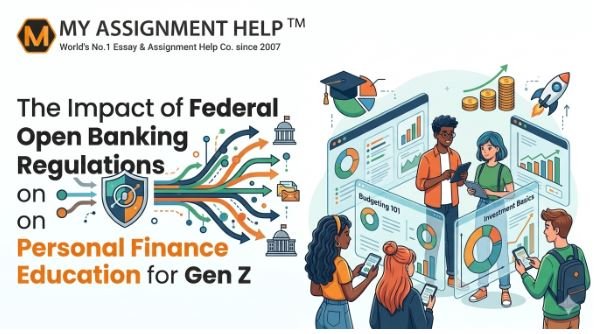
The year 2026 marks a historic “watershed moment” for the American financial system. With the final implementation of the CFPB’s Section 1033 rule, the United States has officially pivoted from a closed, legacy banking model to a transparent, consumer-centric ecosystem. While this shift affects every demographic, its most profound impact is felt by Generation Z—the first cohort to enter adulthood in a fully “open” financial era.
For Gen Z, personal finance is no longer about balancing a checkbook; it is about managing a complex web of APIs, decentralized data, and real-time algorithmic insights. As these federal regulations dismantle the barriers to data portability, the very foundation of financial literacy is being rewritten. Students and young professionals now require a new set of skills to navigate this landscape, often seeking specialized finance assignment help to decode the intricacies of modern fintech frameworks and regulatory compliance.
The 2026 Regulatory Landscape: Understanding Section 1033
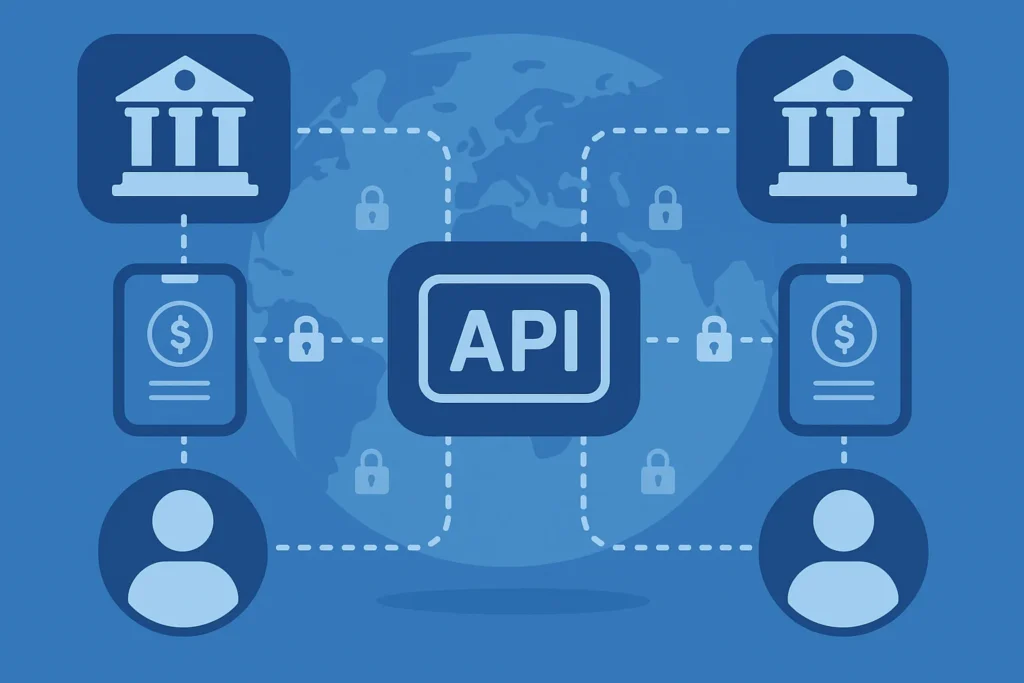
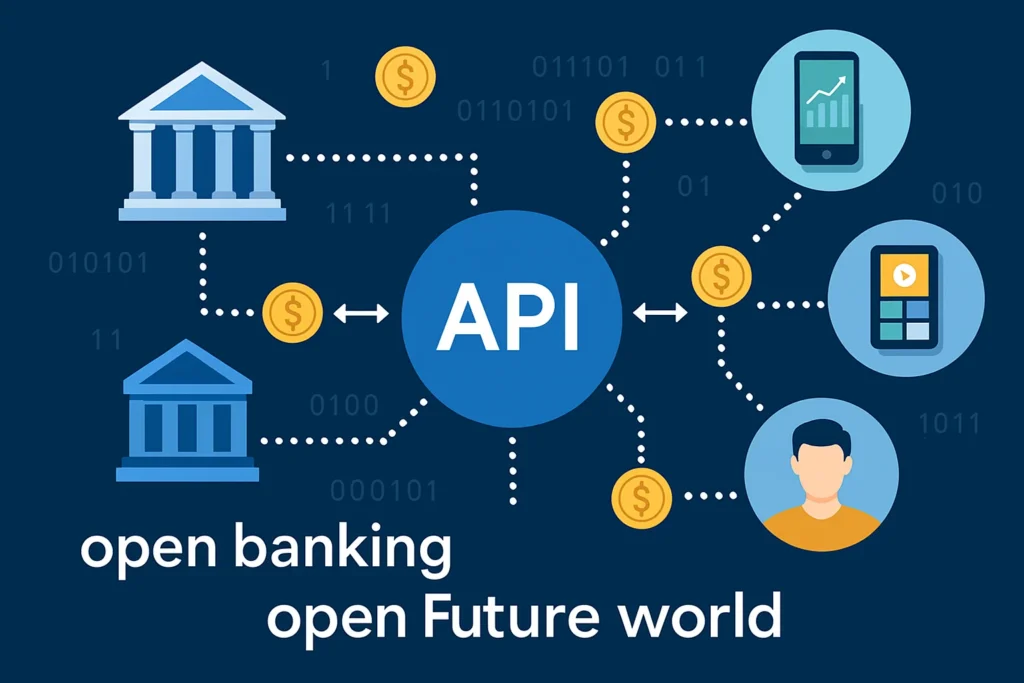
At its core, the Federal Open Banking regulation (Section 1033 of the Dodd-Frank Act) mandates that financial institutions must share a consumer’s data with authorized third parties—for free and at the consumer’s request. This effectively ends the era of “data silos” where big banks held a monopoly over your transaction history.
Key shifts include:
- Data Sovereignty: Consumers now “own” their data, not the banks.
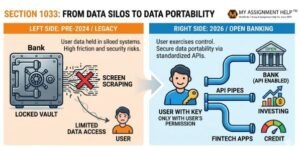
- The End of Screen Scraping: A move toward secure, standardized APIs.
- Fee Prohibition: Banks are barred from charging “junk fees” for data transfers.
Why Gen Z is the “Open Banking Generation”
According to recent 2026 Deloitte banking surveys, nearly 70% of Gen Z and Millennials have already authorized their banks to share data with third-party apps. This generation views banking not as a single relationship with an institution, but as a modular experience. They use one app for savings, another for “Pay-by-Bank” transactions, and a third for AI-driven budgeting.
However, this high adoption rate masks a significant “literacy gap.” While Gen Z is digitally native, only about 30% of 2025-2026 graduates feel confident in their understanding of complex credit structures or the long-term implications of “Embedded Finance.” To bridge this gap, many are turning to academic platforms to complete my assignment on topics ranging from algorithmic credit scoring to federal consumer protection laws.
Data-Driven Insights: The Literacy Shift
The impact of these regulations on education can be broken down into three critical pillars:
1. From Theory to Real-Time Data
Traditional finance education relied on static case studies. In the Open Banking era, students use live data. Education now focuses on “Data Hygiene”—understanding how sharing your transaction history affects your “Alternative Credit Score.”
2. The Rise of “Pay-by-Bank” and A2A Payments
Federal regulations have paved the way for Account-to-Account (A2A) payments, bypassing traditional card networks. Gen Z must now learn the security nuances of Strong Customer Authentication (SCA) and the risks of “Instant Settlement” versus traditional credit protections.
3. AI-Powered Personal Finance (PFM)
With standardized data, AI-native PFM tools now provide hyper-personalized advice. Education is shifting from “how to save” to “how to audit your AI’s advice.”
| Feature | Legacy Banking (Pre-2024) | Open Banking (2026 Standard) |
| Data Access | Manual/Screen Scraping | Standardized APIs |
| Switching Costs | High (weeks to move data) | Instant Portability |
| Credit Basis | FICO/Static History | Real-time Cash Flow/Income |
| Fees | High “Data Access” Fees | Zero Fees (Per CFPB) |
Key Takeaways for Gen Z Consumers
- Control is Yours: You have the legal right to revoke data access at any time; access expires by default after one year unless re-authorized.
- Security First: Look for apps that use “Recognized Standard Setters” rather than asking for your bank password.
- Compare and Pivot: Use the new transparency to “vote with your feet.” If your bank offers a 0.5% APY while a fintech partner offers 4.5% based on your data, the move is now seamless.
FAQ Section
Q: Does Open Banking mean my data is less secure?
A: Actually, the 2026 regulations improve security by replacing “screen scraping” (sharing passwords) with tokenized API access, which is much harder to hack.
Q: Will this help me get a loan if I have no credit history?
A: Yes. Lenders can now use your “Open Data” (consistent utility payments, rent, and income) to approve you, even without a traditional FICO score.
Q: Can I stop a company from using my data for ads?
A: Under the 2026 rules, third parties can only use your data for the specific service you requested. Secondary use for targeted advertising is strictly prohibited without explicit, separate consent.
Author Profile
Marcus ThorneSenior Research Analyst at MyAssignmentHelp Marcus is a digital finance specialist with over 10 years of experience in US regulatory policy. He focuses on the intersection of Fintech and higher education, helping the next generation of finance professionals navigate the transition to Open Finance ecosystems.
References:
- Consumer Financial Protection Bureau (CFPB), “Final Rule: Personal Financial Data Rights (Section 1033),” 2024/2026.
- Deloitte Insights, “2026 Banking Regulatory Outlook: The Shift to Open Data,” 2026.
- TIAA Institute-GFLEC, “The 2025 Personal Finance Index: Gen Z and Digital Savvy.