Digital Finance & Open Banking

What Debts Can Be Discharged in Bankruptcy and What Cannot
Digital Finance & Open Banking

What Debts Can Be Discharged in Bankruptcy and What Cannot

Filing for bankruptcy can provide meaningful relief for individuals facing overwhelming financial obligations. One of the most important questions people ask is which debts can be eliminated and which will remain. Understanding how different types of debt are treated is essential before moving forward with the process. A knowledgeable bankruptcy attorney can help evaluate your situation and explain how the law applies to your specific financial circumstances, allowing you to make informed decisions with confidence. Understanding Dischargeable Debts Dischargeable debts can be eliminated through bankruptcy, meaning you no longer have to repay them. These debts are typically unsecured and not tied to collateral. Credit Card Balances and Personal Loans Credit card debt is one of the most common types of discharged debt. High-interest balances can quickly become unmanageable, and bankruptcy can help eliminate this burden. Similarly, discharge often applies to personal loans not secured by property. Removing these obligations can significantly improve financial stability and allow individuals to focus on rebuilding. Medical Bills and Utility Arrears Medical expenses are another major contributor to financial hardship. These debts are generally discharged and can be eliminated through bankruptcy. Utility arrears, including overdue bills for essential services, may also be discharged, depending on the circumstances. Eliminating these types of debt can provide immediate relief and reduce financial stress. Debts That Are Typically Not Discharged While bankruptcy can eliminate many obligations, certain debts are not eligible for discharge. These are often tied to public policy considerations or involve specific legal responsibilities. Student Loans and Tax Obligations Student loans generally cannot be discharged. Although there are rare exceptions, proving eligibility for discharge can be difficult. Certain tax debts may also remain, particularly if they are recent or involve specific conditions. Understanding these limitations is important when evaluating your options. Child Support and Alimony Domestic support obligations, such as child support and alimony, cannot be discharged through bankruptcy. These payments are considered essential and must continue to be met regardless of filing status. Failing to meet these obligations can result in serious legal consequences. Secured Debts and How They Are Treated Secured debts are tied to specific assets, such as a home or vehicle. These debts are handled differently because the lender has a legal claim to the property. Mortgages and Car Loans In bankruptcy, secured debts may be managed rather than eliminated. Individuals may choose to continue making payments to retain their property. In some cases, restructuring options may be available, particularly under Chapter 13, which allows for repayment over time. Reaffirmation and Surrender Options Borrowers may reaffirm a debt to keep an asset, meaning they agree to continue making payments under the original terms. Alternatively, they may choose to surrender the property, allowing the lender to take possession while eliminating the associated debt. A bankruptcy attorney can help determine which option is most appropriate. The Importance of Accurate Debt Evaluation Not all debts are treated the same, and misclassifying them can lead to unexpected outcomes. A thorough review of your financial situation is essential before filing. Reviewing Financial Records Examining all debts meticulously guarantees you don’t miss anything. This process helps identify which obligations can be discharged and which will remain after bankruptcy. Working With a Bankruptcy Attorney A bankruptcy attorney provides critical guidance throughout the process. They ensure that all paperwork is completed correctly and that you understand how each type of debt will be handled. This professional support reduces uncertainty and helps you achieve the best possible outcome. Frequently Asked Questions What debts are most commonly discharged in bankruptcy? Credit card debt, medical bills, and unsecured personal loans are among the most commonly discharged debts. These obligations can often be eliminated entirely. Are all tax debts nondischargeable? Not all tax debts are treated the same. Some older tax obligations may be eligible for discharge, but many recent taxes are not. A bankruptcy attorney can provide clarity based on your situation. Can secured debts be eliminated in bankruptcy? Secured debts are typically managed rather than eliminated. You may keep the asset by continuing payments or surrender it to discharge the debt. Why should I consult a bankruptcy attorney before filing? A bankruptcy attorney helps you understand which debts can be discharged and ensures that the process is handled correctly. This guidance is essential for achieving the best results. Conclusion Understanding which debts can be discharged in bankruptcy and which cannot is a crucial step in regaining financial control. Although you can eliminate many unsecured debts, you must carefully manage certain obligations that remain. With the guidance of an experienced bankruptcy attorney, individuals can navigate the process with confidence and make informed decisions about their financial future. For professional support from a trusted bankruptcy attorney in Tampa, FL,  visit Weller Legal Group and explore solutions designed to help you move forward with clarity and confidence.

The Impact of Federal Open Banking Regulations on Personal Finance Education for Gen Z
Digital Finance & Open Banking

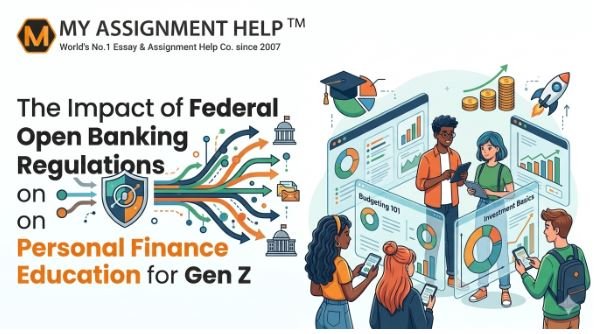
The Impact of Federal Open Banking Regulations on Personal Finance Education for Gen Z

The year 2026 marks a historic “watershed moment” for the American financial system. With the final implementation of the CFPB’s Section 1033 rule, the United States has officially pivoted from a closed, legacy banking model to a transparent, consumer-centric ecosystem. While this shift affects every demographic, its most profound impact is felt by Generation Z—the first cohort to enter adulthood in a fully “open” financial era. For Gen Z, personal finance is no longer about balancing a checkbook; it is about managing a complex web of APIs, decentralized data, and real-time algorithmic insights. As these federal regulations dismantle the barriers to data portability, the very foundation of financial literacy is being rewritten. Students and young professionals now require a new set of skills to navigate this landscape, often seeking specialized finance assignment help to decode the intricacies of modern fintech frameworks and regulatory compliance. The 2026 Regulatory Landscape: Understanding Section 1033 At its core, the Federal Open Banking regulation (Section 1033 of the Dodd-Frank Act) mandates that financial institutions must share a consumer’s data with authorized third parties—for free and at the consumer’s request. This effectively ends the era of “data silos” where big banks held a monopoly over your transaction history. Key shifts include: Data Sovereignty: Consumers now “own” their data, not the banks. The End of Screen Scraping: A move toward secure, standardized APIs. Fee Prohibition: Banks are barred from charging “junk fees” for data transfers. Why Gen Z is the “Open Banking Generation” According to recent 2026 Deloitte banking surveys, nearly 70% of Gen Z and Millennials have already authorized their banks to share data with third-party apps. This generation views banking not as a single relationship with an institution, but as a modular experience. They use one app for savings, another for “Pay-by-Bank” transactions, and a third for AI-driven budgeting. However, this high adoption rate masks a significant “literacy gap.” While Gen Z is digitally native, only about 30% of 2025-2026 graduates feel confident in their understanding of complex credit structures or the long-term implications of “Embedded Finance.” To bridge this gap, many are turning to academic platforms to complete my assignment on topics ranging from algorithmic credit scoring to federal consumer protection laws. Data-Driven Insights: The Literacy Shift The impact of these regulations on education can be broken down into three critical pillars: 1. From Theory to Real-Time Data Traditional finance education relied on static case studies. In the Open Banking era, students use live data. Education now focuses on “Data Hygiene”—understanding how sharing your transaction history affects your “Alternative Credit Score.” 2. The Rise of “Pay-by-Bank” and A2A Payments Federal regulations have paved the way for Account-to-Account (A2A) payments, bypassing traditional card networks. Gen Z must now learn the security nuances of Strong Customer Authentication (SCA) and the risks of “Instant Settlement” versus traditional credit protections. 3. AI-Powered Personal Finance (PFM) With standardized data, AI-native PFM tools now provide hyper-personalized advice. Education is shifting from “how to save” to “how to audit your AI’s advice.” Feature Legacy Banking (Pre-2024) Open Banking (2026 Standard) Data Access Manual/Screen Scraping Standardized APIs Switching Costs High (weeks to move data) Instant Portability Credit Basis FICO/Static History Real-time Cash Flow/Income Fees High “Data Access” Fees Zero Fees (Per CFPB) Key Takeaways for Gen Z Consumers Control is Yours: You have the legal right to revoke data access at any time; access expires by default after one year unless re-authorized. Security First: Look for apps that use “Recognized Standard Setters” rather than asking for your bank password. Compare and Pivot: Use the new transparency to “vote with your feet.” If your bank offers a 0.5% APY while a fintech partner offers 4.5% based on your data, the move is now seamless. FAQ Section Q: Does Open Banking mean my data is less secure?  A: Actually, the 2026 regulations improve security by replacing “screen scraping” (sharing passwords) with tokenized API access, which is much harder to hack. Q: Will this help me get a loan if I have no credit history?  A: Yes. Lenders can now use your “Open Data” (consistent utility payments, rent, and income) to approve you, even without a traditional FICO score. Q: Can I stop a company from using my data for ads?  A: Under the 2026 rules, third parties can only use your data for the specific service you requested. Secondary use for targeted advertising is strictly prohibited without explicit, separate consent. Author Profile Marcus ThorneSenior Research Analyst at MyAssignmentHelp Marcus is a digital finance specialist with over 10 years of experience in US regulatory policy. He focuses on the intersection of Fintech and higher education, helping the next generation of finance professionals navigate the transition to Open Finance ecosystems. References: Consumer Financial Protection Bureau (CFPB), “Final Rule: Personal Financial Data Rights (Section 1033),” 2024/2026. Deloitte Insights, “2026 Banking Regulatory Outlook: The Shift to Open Data,” 2026. TIAA Institute-GFLEC, “The 2025 Personal Finance Index: Gen Z and Digital Savvy.

AML Certification in 2026: Why the Crypto Industry Can't Afford to Ignore It
Digital Finance & Open Banking

AML Certification in 2026: Why the Crypto Industry Can’t Afford to Ignore It

Not long ago, compliance in crypto was treated almost like an afterthought. Build the product; worry about the rules later. That mindset hasn’t entirely disappeared, but it’s getting increasingly expensive to hold onto.   Over the past two years, regulators in the US, EU, and across Asia-Pacific have moved fast. MiCA is now in full effect across Europe. FATF has updated its virtual asset guidance more than once. FinCEN has proposed stricter reporting requirements for crypto transactions over $10,000. The message is consistent: if your platform touches money in any form, you are expected to have people who understand financial crime—and can prove it.   What’s Actually Changed   The honest answer is the enforcement climate. Regulations around AML in digital finance aren’t entirely new, but for years they were unevenly applied. Crypto firms in particular operated in a grey zone where the rules existed on paper but prosecutions were rare.   That changed around 2023–2024. No platform is too massive to avoid repercussions, as demonstrated by Binance’s $4.3 billion settlement with the US Department of Justice in late 2023—one of the biggest in financial history. Shortly after, a string of smaller exchanges and OTC desks faced enforcement actions in the UK, Singapore, and Germany.   The common thread in almost every case? Weak or nonexistent AML programs. Not sophisticated schemes that slipped through—basic failures that properly trained compliance staff would have caught.   The Certification Most People Are Going After   The ACAMS CAMS credential has been around since 2001, but it’s seen a clear uptick in interest from crypto and fintech professionals specifically. The exam covers risk management, transaction monitoring, KYC frameworks, investigation processes, and a section on emerging payment technologies that includes cryptocurrency typologies.   It’s not a short study process. Most candidates spend 60–80 hours preparing. The pass rate isn’t published officially, but forums put it somewhere between 70% and 75% for first attempts, meaning roughly one in four people don’t make it through on the first try.   For anyone getting ready to sit it, going through a structured ACAMS practice test beforehand is genuinely worth the time. Not because the questions will be identical—they won’t—but because the format takes some getting used to, and many scenarios require applying rules to ambiguous situations, not just recalling definitions.   Why Digital Finance Is a Different Beast   Here’s what makes crypto compliance different from traditional banking compliance: the blockchain is public, but identities aren’t. That creates specific typologies without direct equivalents in conventional finance—chain-hopping, mixer usage, peer-to-peer exchange obfuscation, and dusting attacks. A compliance officer from retail banking understands general AML principles but needs significant retraining to apply them to on-chain environments.   The ACAMS exam doesn’t cover all of this in depth—no single certification does—but it builds the foundational framework that makes the crypto-specific knowledge easier to layer on afterward. Firms consistently say they’d rather hire someone with a CAMS and train them on crypto than hire someone crypto-native and try to build compliance instincts from scratch.   The Career Angle   Outside of dedicated compliance roles, AML certification is appearing in job requirements across a wider range of digital finance positions. Risk analysts, operations managers, and even product managers at regulated crypto firms are increasingly expected to have working knowledge of AML frameworks—and a credential helps demonstrate that.   For people mid-career and trying to break into digital finance from traditional banking or law, CAMS is one of the cleaner pathways available. Completing rigorous anti-money laundering certification exam preparation and earning the credential is one of the more straightforward ways to make yourself a credible candidate in a hiring market that’s increasingly compliance-conscious. It’s recognized internationally and respected by regulators across jurisdictions.   A Practical Note Before You Start   If you’re weighing whether to pursue it, the honest calculus looks like this: the exam fee sits around $1,695 for non-members. Study time runs two to three months if you’re working full-time. The credential needs renewal every three years through continuing education credits.   That’s not nothing. But for anyone working in digital finance right now, it increasingly looks like a cost of doing business rather than an optional upgrade. Structured AML exam preparation—including practice testing, case study review, and staying current on regulatory updates—tends to shorten the study period considerably for people who go in with a plan rather than just reading through the study guide cover to cover.   The firms that embedded compliance culture early are operating without existential regulatory risk today. The professionals who made that same investment in their own knowledge are the ones who keep getting hired. That pattern isn’t hard to read.

open future world innovation
Digital Finance & Open Banking

Open Future World Innovation: How Digital Finance Is Evolving Globally

Introduction: Why Open Future World Innovation Matters Now Digital finance is changing faster than ever. People want better control, more transparency, and safer access to financial services—without complexity. Open Future World Innovation represents this shift. It focuses on open systems, responsible technology use, and collaboration between banks, fintechs, regulators, and users worldwide. This article explains the real innovations shaping open finance, what they mean for users, and how the ecosystem is evolving in a practical, trustworthy way. What Defines Open Future World Innovation? Open Future World Innovation is not a single platform or product. It is a framework of ideas and technologies built around openness, interoperability, and user control. Core Principles Behind the Model Secure data sharing through consent-based systems Interoperability between banks, fintechs, and platforms Transparency in financial services User-first design and access The goal is not disruption for its own sake, but better financial outcomes for people and businesses. Open Banking as the Foundation of Innovation Open banking remains a key pillar of Open Future World Innovation. It allows customers to share their financial data securely with approved providers. Why Open Banking Still Matters Users can view multiple accounts in one place Financial tools become more personalized Competition improves service quality Instead of replacing banks, open banking reshapes how banks operate, encouraging collaboration rather than isolation. API Ecosystems Powering Modern Finance APIs are the infrastructure layer behind most open finance systems. They allow applications to communicate securely and in real time. How APIs Improve User Experience Faster account verification Seamless payments and transfers Integrated budgeting and analytics tools For businesses, APIs reduce friction and enable scalable innovation without rebuilding core systems. AI and Data Intelligence in Financial Services Artificial intelligence is becoming more common across digital finance. Its role is expanding carefully, with increased focus on transparency and fairness. Practical Uses of AI in Open Finance Fraud detection and risk monitoring Spending analysis and insights Customer support automation Responsible use of AI helps systems become more efficient without removing human oversight. Financial Inclusion Through Digital Access One of the strongest outcomes of Open Future World Innovation is improved access. Mobile-first financial tools are reaching people who were previously excluded. Inclusion-Focused Innovations Mobile wallets and digital onboarding Lower-cost remittance solutions Flexible micro-finance tools These solutions work best when paired with clear regulation and digital literacy. Blockchain and Digital Asset Infrastructure Blockchain is used selectively within open finance ecosystems. Its value lies in transparency, traceability, and automation—not speculation. Where Blockchain Adds Value Cross-border settlement processes Digital identity verification Tokenized representations of assets Adoption remains gradual and use-case driven, focusing on reliability rather than hype. Cybersecurity and Trust as Core Priorities As systems become more connected, security becomes non-negotiable. Open Future World Innovation places strong emphasis on trust-by-design. Common Security Measures Multi-factor authentication Encryption and secure APIs Continuous risk monitoring Security is no longer reactive. It is built into the system from the start. Sustainability and Responsible Finance Technology is increasingly used to support sustainable finance goals. Open systems make reporting and accountability more transparent. How Technology Supports Sustainability Data-driven ESG reporting Better visibility into investment impact Open access to sustainability metrics This helps align financial growth with long-term responsibility. Embedded Finance and Real-Time Payments Finance is becoming part of everyday digital experiences. Users no longer need separate platforms for basic financial actions. Examples of Embedded Finance Payments within e-commerce platforms Insurance offered during checkout Instant payouts for gig workers Real-time payment infrastructure supports faster and more reliable transactions globally. Regulation and Global Coordination Innovation depends on trust and legal clarity. Regulators play a growing role in shaping open finance safely. Regulatory Trends Supporting Innovation Open data standards Regulatory sandboxes Cross-border payment frameworks Balanced regulation allows experimentation while protecting users. FAQs About Open Future World Innovation Is Open Future World Innovation the same everywhere? No. Adoption varies by region due to regulation, infrastructure, and market maturity. Does open finance replace traditional banks? No. It changes how banks operate and collaborate with technology providers. Is user data safe in open systems? Security depends on implementation, regulation, and user consent controls. Is this innovation only for large economies? No. Many emerging markets benefit significantly from mobile-first solutions. The Future Outlook: What Comes Next? Open Future World Innovation is moving toward: Greater interoperability Stronger security standards Clearer user consent controls The focus is shifting from experimentation to stable, scalable systems. Conclusion: A Practical Vision for Digital Finance Open Future World Innovation is about progress without recklessness. It prioritizes openness, trust, and usability over disruption narratives. As digital finance evolves, systems that respect users, data, and regulation will define the future. That is the real promise of an open financial world—reflected in practical initiatives and solutions offered across our open finance services.

openfuture.world security
Digital Finance & Open Banking

Security and Trust in OpenFuture World – Protecting Digital Finance Users

Introduction: The New Era of Secure Digital Finance As the financial world shifts toward openness and technology-driven ecosystems, openfuture.world security has become a cornerstone of digital trust. OpenFuture World represents more than a network of banks and fintechs — it’s a vision of transparent, user-first, and secure financial innovation. But with greater connectivity comes greater responsibility: protecting data, users, and financial integrity is no longer optional — it’s essential. In this article, we’ll explore how OpenFuture World safeguards digital finance users through robust security frameworks, strong encryption, and transparent governance while redefining what trust means in the open banking era. The Foundation of openfuture.world Security OpenFuture World operates at the intersection of open banking and digital finance, connecting banks, fintechs, and users through APIs. This open structure requires strong security protocols to protect sensitive financial data while enabling seamless innovation. At the heart of openfuture.world security is an architecture built on three core principles: Data Ownership – Users remain the true owners of their financial data, granting access only when they choose. Secure APIs – Advanced authentication and encryption ensure that data travels safely across all endpoints. Transparency and Compliance – Every transaction and data request is monitored and logged to meet regulatory standards such as PSD2, GDPR, and ISO/IEC 27001. This foundation ensures that innovation doesn’t compromise safety — it enhances it. Why Security Matters in Open Banking The transition from traditional banking to open finance exposes both opportunities and risks. Traditional systems were closed, with limited data sharing. OpenFuture World introduces a new ecosystem where multiple players — banks, fintech startups, and users — interact via APIs. However, without advanced openfuture.world security protocols, this openness could become a vulnerability. That’s why OpenFuture World emphasizes: Two-Factor Authentication (2FA): Adds a second layer of verification for users. End-to-End Encryption: Ensures no unauthorized access during data exchange. Secure API Gateways: Filter and verify requests to prevent fraud or malicious activity. Security isn’t just technical — it’s about trust. Users share their data because they believe in the platform’s integrity, transparency, and accountability. The Role of AI and Machine Learning in Security The OpenFuture ecosystem uses AI-driven security intelligence to detect and prevent potential threats in real time. Machine learning models analyze user behavior, transaction patterns, and access requests to identify anomalies before they cause harm. Key innovations include: Behavioral Biometrics: Recognizes unique user interaction patterns to detect suspicious behavior. Predictive Threat Analysis: Anticipates cyberattacks before they occur. Adaptive Authentication: Adjusts security levels based on risk factors — like device type or login location. Through continuous learning, OpenFuture World strengthens its defense mechanisms and maintains the highest trust standards in digital finance. Building Trust through Transparency Trust in the digital era isn’t built overnight — it’s earned through openness, consistency, and ethical management of data. OpenFuture World follows a “Transparency by Design” approach, ensuring that users understand where their data is stored, how it’s used, and who accesses it. Transparency is achieved by: Providing real-time audit trails for all transactions. Offering clear consent management tools for data sharing. Conducting independent security audits to maintain global compliance. These measures ensure that users always stay in control of their financial data — a fundamental principle of openfuture.world security. Protecting Fintech Collaboration with API Security The backbone of the OpenFuture ecosystem is its API-driven architecture, connecting banks, payment processors, and fintech platforms. However, APIs are also prime targets for cyberattacks. To mitigate these risks, OpenFuture World employs: OAuth 2.0 and OpenID Connect protocols for secure authorization. API throttling and rate limiting to prevent denial-of-service attacks. Regular vulnerability testing to identify and patch risks early. By enforcing these standards, OpenFuture World ensures that innovation and security coexist — enabling fintechs to build confidently within a trusted environment. Compliance and Global Regulatory Alignment Security in open banking must align with international laws and regional regulations. OpenFuture World integrates compliance frameworks such as: GDPR (General Data Protection Regulation) for European data privacy. PSD2 (Payment Services Directive 2) to ensure safe financial transactions. ISO/IEC 27001 for standardized information security management. By embedding compliance within every layer of its infrastructure, OpenFuture World not only meets regulatory demands but also sets new industry benchmarks for trust and reliability. Educating Users: Security Awareness Matters Even the most secure systems can be compromised if users aren’t aware of best practices. OpenFuture World invests in financial literacy and security awareness programs, helping users understand: How to recognize phishing or scam attempts. Why strong passwords and multi-factor authentication are essential. The importance of regularly reviewing connected apps and permissions. Empowered users are the strongest defense in the digital finance ecosystem. The Future of openfuture.world Security As fintech innovation accelerates, the threats facing digital finance will evolve. OpenFuture World is already preparing for the next generation of security — incorporating quantum-safe encryption, decentralized identity systems, and biometric blockchain verification to stay ahead of future challenges. The platform’s mission is clear: to build a secure, inclusive, and transparent financial future where users can trust every transaction, every time. Conclusion: Trust Is the Currency of the OpenFuture World In the age of open banking, trust defines success. Openfuture.world security ensures that every innovation, partnership, and financial interaction operates within a framework of integrity and protection. By combining cutting-edge technology with transparent governance, OpenFuture World sets a new global standard for secure digital finance. The future is open — but above all, it’s safe.

open banking future world
Digital Finance & Open Banking

Open Banking vs Traditional Banking – The Future Is OpenFuture World

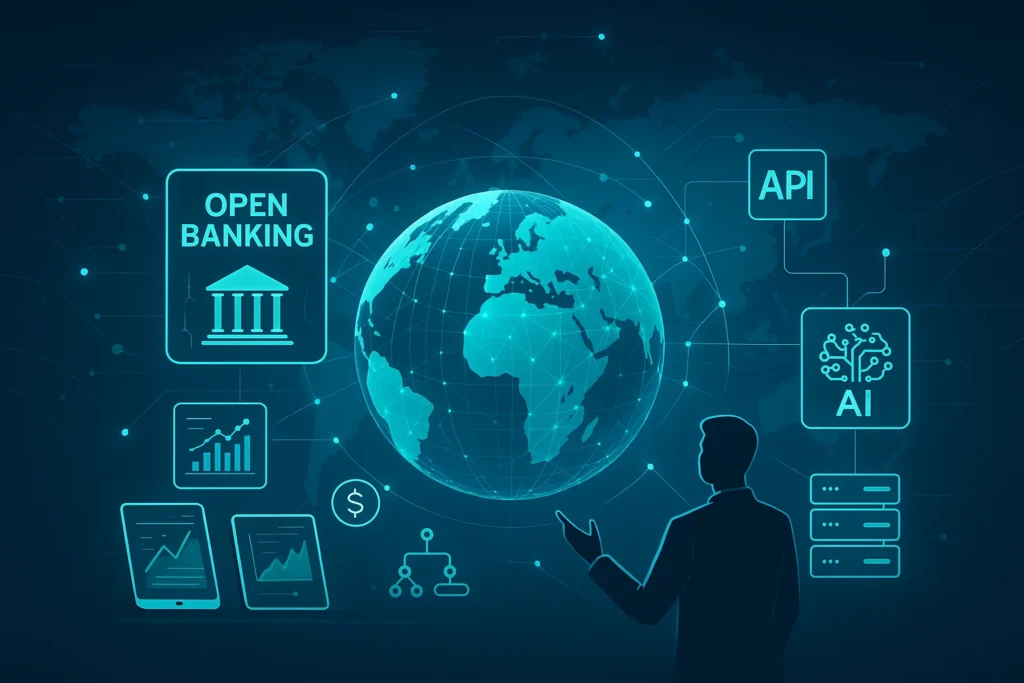
The open banking future world is transforming how people access, manage, and interact with money. For decades, traditional banks controlled the financial system, offering limited transparency and customer choice. But as technology reshapes finance, open banking has emerged as the foundation for a smarter, more connected financial ecosystem. This evolution marks a shift from closed, institution-driven systems to open, customer-centered innovation — and OpenFuture World is leading that transformation. The Shift from Traditional to Open Banking Traditional banking relied on centralized control — customers could only access services offered by their bank. Transactions, data, and financial insights stayed behind closed walls. While secure, this system lacked flexibility and innovation. Open banking changes that narrative. It’s built on the principle of data sharing through secure APIs (Application Programming Interfaces), allowing third-party fintechs, payment apps, and digital platforms to connect directly with bank systems. This interconnectedness promotes financial transparency, competition, and user empowerment — the pillars of the open banking future world. What Is Open Banking? Open banking allows consumers to securely share their financial data with authorized third parties. By doing so, users gain access to more personalized financial tools — such as smart budgeting apps, automated savings tools, and better loan comparison options. In the open banking future world, users are no longer bound by one bank’s limitations. They can choose the best financial services available across multiple providers — seamlessly connected within a single digital ecosystem. Key Components of Open Banking APIs (Application Programming Interfaces): The technological bridge between banks and fintechs, enabling secure data exchange. Customer Consent: Open banking gives users control. Data sharing happens only when customers permit it. Enhanced Security: Open banking systems follow strong regulatory standards, including encryption, multi-factor authentication, and compliance frameworks like PSD2 in Europe. Traditional Banking: The Old Guard Before open banking, financial institutions worked in isolation. A customer’s transaction data, credit history, and financial behavior were owned and controlled by one bank. Switching providers or comparing services was slow and difficult. While traditional banking provided stability and trust, it often failed to meet modern consumer expectations — instant payments, global transfers, mobile access, and integration with apps. This gap paved the way for the open banking future world, which prioritizes connectivity and innovation over confinement. Open Banking vs Traditional Banking: Key Differences Feature Traditional Banking Open Banking Data Ownership Bank owns and controls customer data Customer owns and shares data securely Innovation Speed Slow, limited to internal systems Fast, driven by fintech collaboration User Experience Basic digital services Personalized, app-integrated, real-time Transparency Limited Full visibility of financial options Security Centralized protection Multi-layered, API-driven security Competition Low – few players High – fintechs, banks, and digital apps collaborate This shift creates a new paradigm: banks are no longer competitors alone but partners in innovation. They collaborate with fintechs to provide a better experience under the open banking future world. How OpenFuture World Leads the Banking Revolution OpenFuture World serves as the central hub for global open banking collaboration. It connects banks, fintech innovators, API developers, and regulators to accelerate financial transformation. By showcasing best practices, real-world API use cases, and digital finance trends, OpenFuture World acts as a bridge between innovation and implementation — helping the world move beyond legacy systems and into an interconnected open banking future world. Benefits of Open Banking 1. Empowered Customers Users gain full control over their financial data. Instead of being locked into one institution, they can access personalized solutions tailored to their needs — from low-interest loans to AI-driven budgeting apps. 2. Enhanced Innovation Open banking encourages fintech startups to create services that complement traditional banking. This collaboration results in smarter payment systems, faster transactions, and innovative financial management tools. 3. Global Financial Inclusion Millions of unbanked individuals can now participate in the financial ecosystem through open APIs and mobile platforms. The open banking future world ensures that access to financial tools isn’t limited by geography or traditional institutions. 4. Improved Security and Compliance Contrary to myths, open banking enhances security. By using advanced encryption, tokenization, and regulatory frameworks, it ensures every data exchange is traceable and compliant. APIs – The Core of the Open Banking Future World APIs are the silent engine behind open banking. They allow systems to “talk” to each other in real time — enabling everything from seamless payment integrations to multi-bank account dashboards. In the open banking future world, APIs fuel innovation by turning traditional financial systems into flexible, interoperable platforms that can evolve rapidly with market demands. For example, instead of manually transferring data between systems, APIs allow instant connection between your bank, credit card, investment platform, and budgeting app — all while maintaining data integrity and security. The Role of Fintechs and Banks in the Open Banking Future In this new ecosystem, banks are partners, not gatekeepers. They provide infrastructure, while fintechs deliver user-centric solutions. Together, they form a connected digital finance network that benefits everyone — from individuals to global enterprises. Fintech Contributions Developing smart algorithms for personalized financial recommendations Creating seamless payment and lending apps Expanding access to credit and global remittance services Bank Contributions Providing secure financial infrastructure Ensuring compliance and data integrity Partnering with fintechs to scale innovation globally This collaboration ensures that the open banking future world is not only technologically advanced but also trustworthy and inclusive. Challenges and the Path Forward Despite rapid growth, open banking faces several challenges — including consumer awareness, regulatory differences, and cybersecurity concerns. However, the global trend is clear: digital finance is evolving toward openness, collaboration, and user empowerment. Financial institutions that adapt will thrive in this open banking future world, while those that resist risk being left behind. The Future Is OpenFuture World The future of finance is not about competition between banks and fintechs — it’s about collaboration. The open banking future world is redefining financial services with transparency, inclusivity, and customer control at its core. As APIs, digital platforms, and data-driven insights continue to expand, OpenFuture World stands at the center of this

openfuture world finance
Digital Finance & Open Banking

How APIs Are Powering the OpenFuture World of Finance

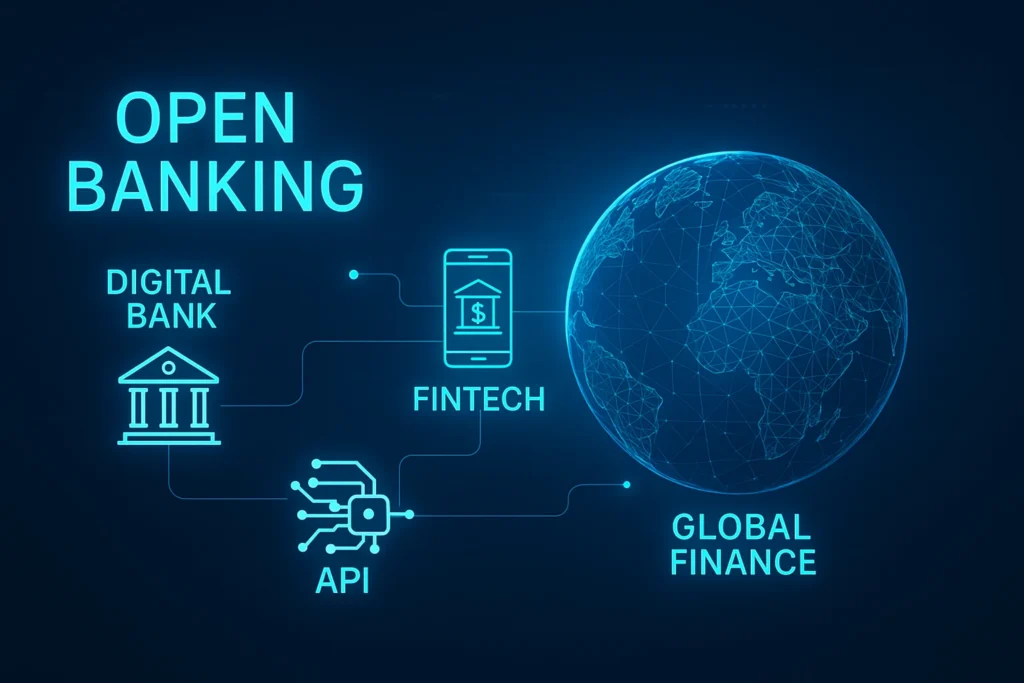
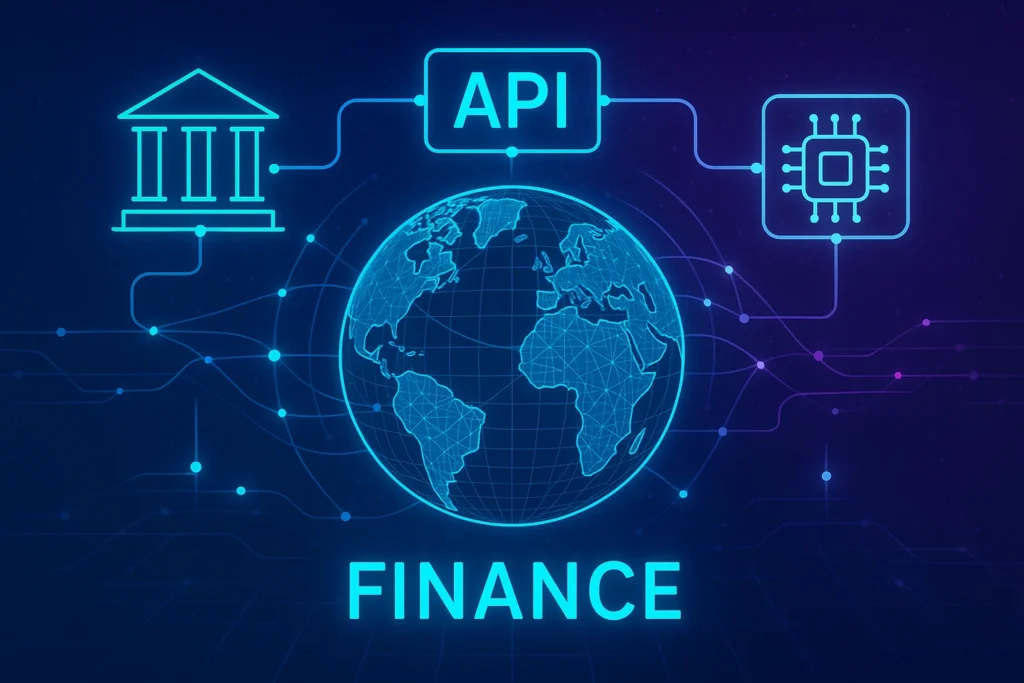
In the ever-evolving digital landscape, openfuture world finance is transforming how people and institutions interact with money. At the heart of this transformation lies the power of APIs (Application Programming Interfaces) — the invisible bridges that connect banks, fintechs, and consumers in real time. APIs are not just technical tools; they are the foundation of collaboration, innovation, and transparency in the new era of digital finance. Understanding the API Revolution in OpenFuture World Finance APIs are reshaping the structure of global finance by enabling seamless data sharing between financial institutions, third-party providers, and users. In traditional banking, systems operated in isolation — transactions were slow, information was locked, and innovation was limited. The openfuture world finance ecosystem breaks these barriers by creating secure digital connections that foster interoperability and trust. At its core, an API allows different software systems to “talk” to one another. For example, a payment app can use a bank’s API to access account details, verify balances, and execute payments without manual input. This synergy between fintech innovation and open banking principles has paved the way for faster, smarter, and more inclusive financial services. The Role of APIs in Open Banking Open banking is one of the most significant outcomes of API-driven transformation. It allows customers to share financial data with trusted third parties, giving them control and choice. In the openfuture world finance model, APIs make this possible by ensuring that data flows securely between systems while maintaining privacy and compliance. Through standardized APIs, banks can expose certain data — like transaction history or credit information — to authorized fintech platforms. This opens the door for new products such as personal finance apps, instant credit scoring, and multi-bank dashboards. Consumers benefit from transparency, while financial institutions gain access to a larger, innovation-friendly ecosystem. APIs as the Backbone of Fintech Innovation In the age of fintech innovation, APIs are the fuel driving growth and experimentation. Startups and established players use APIs to build on existing financial infrastructure without reinventing the wheel. Instead of developing full-scale banking systems, developers can leverage APIs to access services like payments, authentication, or currency exchange. For example, an investment platform can integrate APIs from various data providers to offer real-time market insights. Similarly, a small business app might use APIs to automatically reconcile transactions across multiple bank accounts. This modular approach accelerates development, reduces costs, and expands access to digital financial services globally. Enhancing Security and Compliance Through APIs Security remains a top priority in openfuture world finance. APIs are designed with encryption, tokenization, and strict access controls to safeguard user information. Every API call must be authenticated, and sensitive data is transmitted through secure protocols like HTTPS and OAuth. Moreover, API-driven ecosystems align with global regulatory frameworks such as PSD2 (Payment Services Directive 2) and GDPR (General Data Protection Regulation). These regulations encourage transparency and empower users to control how their financial data is used. The OpenFuture World vision aligns perfectly with these principles — promoting a secure, compliant, and user-centric digital finance environment. Real-Time Payments and Data Connectivity One of the biggest breakthroughs enabled by APIs is real-time financial connectivity. Traditional payment systems relied on batch processing, which delayed fund transfers and account updates. APIs have replaced this model with instant interactions. Whether it’s sending money across borders, checking balances, or authorizing transactions, everything now happens in seconds. This real-time capability enhances financial inclusion and user experience. For instance, micro-lending platforms can instantly verify creditworthiness and disburse loans, while merchants can confirm payments in real time. The openfuture world finance ecosystem thrives on this immediacy — connecting users, providers, and data streams seamlessly. APIs Empowering Global Financial Collaboration The OpenFuture World represents a borderless digital finance network where collaboration drives growth. APIs allow institutions in different countries to interact within standardized frameworks. This global integration makes it easier for banks, payment providers, and fintechs to scale their services across regions. For example, a European fintech company can expand into Asian markets using open APIs compatible with local regulations. Similarly, a U.S.-based neobank can integrate third-party services like currency conversion or insurance through APIs without building those systems from scratch. This interconnected world of finance mirrors the collaborative, transparent, and user-driven mission of openfuture world finance. The Future of Banking in the API Economy As digital transformation accelerates, APIs are shaping the future of banking. The next phase of API evolution will focus on advanced analytics, artificial intelligence, and personalized financial insights. Banks and fintechs will use predictive APIs to understand user behavior, recommend products, and detect fraud proactively. Furthermore, APIs will enable embedded finance — integrating financial services directly into non-financial platforms like e-commerce, ride-hailing, or healthcare. Imagine buying insurance while booking a flight or getting instant credit while shopping online. Such seamless experiences are only possible through powerful, well-structured APIs that define the openfuture world finance ecosystem. Challenges and Opportunities Ahead Despite their transformative potential, APIs bring challenges such as standardization, data management, and interoperability. Different countries and institutions still follow varied API frameworks, making global integration complex. However, initiatives like the OpenFuture World are working to establish universal standards and promote consistency. Opportunities far outweigh the challenges. Financial institutions adopting open APIs can access new revenue streams, partnerships, and customer segments. By embracing collaboration instead of competition, they position themselves as leaders in the connected world of digital finance. Conclusion: APIs — The Heartbeat of OpenFuture World Finance The rise of APIs has redefined how financial ecosystems operate. They empower institutions to innovate faster, users to gain control, and systems to interact securely. The openfuture world finance movement symbolizes this transformation — a future where banking is open, digital, and globally connected. As we look ahead, one thing is clear: the future of finance isn’t about closed systems or outdated infrastructures. It’s about openness, collaboration, and technology — all made possible by the powerful network of APIs driving the OpenFuture World vision.

open banking world congress
Digital Finance & Open Banking

Open Banking World Congress – Key Lessons for 2026

Introduction The Open Banking World Congress has become a key reference point for understanding where digital finance is heading. As open banking matures across regions, the congress helps banks, fintechs, regulators, and technology providers align on practical challenges, real-world adoption, and long-term trust. Rather than focusing on hype, recent discussions have shifted toward sustainability, security, and user value. The 2025–2026 conversations reflect a more realistic phase of open banking—one centered on execution, governance, and measurable outcomes. This updated guide breaks down the most relevant insights and lessons that continue to shape open banking globally. Why the Open Banking World Congress Matters A global reference for digital finance direction The Open Banking World Congress brings together stakeholders from multiple regions, making it a valuable lens into how open banking differs—and aligns—across markets. It highlights: How regulations are applied in practice What banks struggle with after initial API launches Where fintech partnerships deliver real value This makes the congress useful not just for strategy leaders, but also for product, compliance, and engineering teams. Open Banking in 2026: A More Mature Phase From experimentation to accountability Earlier open banking phases focused on access and connectivity. By 2026, the emphasis has moved toward: Reliability of APIs Consistent user experiences Clear business models Many sessions now address what happens after open banking goes live—maintenance, performance, and long-term adoption. Key Themes Reinforced by the Congress Collaboration Over Competition Ecosystems outperform isolated solutions A consistent message is that open banking works best when institutions collaborate rather than operate in silos. Banks increasingly partner with fintechs to: Improve onboarding flows Enhance data-driven insights Deliver faster feature updates APIs act as shared infrastructure, not just technical connectors. Data Security and Trust Remain Central Trust is earned through transparency Security discussions at the congress are more practical than theoretical. Topics often include: Strong customer consent management Clear data usage explanations Regular security audits and monitoring Rather than claiming “perfect security,” speakers stress continuous improvement and risk reduction. APIs as Business Infrastructure Beyond compliance-driven APIs APIs are no longer viewed only as regulatory requirements. Many institutions now use them to: Support embedded finance use cases Enable real-time payments and insights Improve internal system flexibility Well-documented, stable APIs are seen as long-term assets. The Shift Toward Open Finance Expanding beyond bank accounts Open finance extends open banking principles to areas such as: Investments Insurance Pensions Congress discussions emphasize careful expansion, noting that different data types require different risk and consent models. Fintech Innovation With Practical Focus Fewer demos, more deployment stories Recent congress editions showcase fewer experimental ideas and more real deployments. Common themes include: AI-assisted risk assessment Fraud detection improvements Smarter credit and affordability checks The focus is on proven value rather than novelty. Financial Inclusion as a Measurable Goal Inclusion through usability, not just access Speakers highlight that inclusion depends on: Simple interfaces Mobile-first design Local regulatory alignment Open banking alone does not guarantee inclusion. It must be paired with thoughtful product design. Regulatory Coordination and Standardization Gradual alignment across regions Regulators increasingly share frameworks and best practices. While global standards are still evolving, discussions emphasize: Reducing fragmentation Improving cross-border interoperability Protecting users consistently The tone remains cautious and collaborative. Artificial Intelligence in Open Banking Supporting decisions, not replacing humans AI discussions focus on support functions such as: Fraud monitoring Personalized insights Operational efficiency There is clear acknowledgment that AI outcomes depend on data quality and governance. Practical Lessons for Organizations What banks should focus on API reliability and monitoring Clear customer communication Long-term vendor partnerships What fintechs should prioritize Interoperability across banks Regulatory awareness Real customer problem-solving Frequently Asked Questions Is open banking fully mature in 2026? Open banking is stable in many regions, but maturity varies. Some markets focus on optimization, while others are still expanding access. Does open banking automatically improve customer trust? No. Trust depends on transparency, usability, and consistent performance—not access alone. Is open finance replacing open banking? Open finance builds on open banking rather than replacing it. Banking data remains the foundation. Future Outlook Beyond 2026 The Open Banking World Congress reflects an industry moving from vision to responsibility. The future is less about rapid expansion and more about: Reliability Governance Sustainable value creation Progress will likely be steady rather than disruptive. Conclusion The Open Banking World Congress continues to serve as a grounded, practical forum for understanding digital finance evolution. Its recent focus on trust, execution, and real-world outcomes aligns closely with how open banking is being adopted globally. For organizations navigating open banking in 2026 and beyond, the key takeaway is clear: success comes from thoughtful implementation, strong partnerships, and a long-term commitment to user value.

open future world
Digital Finance & Open Banking

Open Future World: Understanding the Future of Digital Finance

Introduction The financial world is changing fast, and many people feel confused about what “open banking” and “digital finance” really mean. Users want safer systems, better control over their data, and financial tools that actually help them make decisions. Open Future World exists to explain, support, and shape this shift. Instead of focusing on hype, it highlights how open banking, APIs, and fintech collaboration are gradually transforming global finance into something more transparent, connected, and user-focused. This guide explains what Open Future World represents today, how it is evolving toward 2026 and beyond, and why it matters for individuals, businesses, and financial institutions worldwide. What Is an Open Future World? A practical vision, not a single technology Open Future World is not one product or bank. It is a concept and platform-driven approach that supports open banking, digital finance innovation, and responsible data sharing. Its focus is on: Helping people understand open financial systems Encouraging collaboration between banks and fintechs Promoting secure, regulated use of financial data Rather than replacing traditional banking, Open Future World emphasizes integration and cooperation across the financial ecosystem. How Open Banking Powers Open Future World Giving users more control over their data At the center of Open Future World is open banking. Open banking allows customers to choose when and how their financial data is shared with trusted providers through regulated APIs. This enables: Easier account aggregation Smarter budgeting and financial planning tools More transparent comparisons of financial products Importantly, open banking works within regulatory frameworks. Data sharing happens only with user consent and under defined security standards. The Role of APIs in the Open Finance Ecosystem Why APIs matter in modern banking APIs (Application Programming Interfaces) are the technical backbone of Open Future World. They allow different financial systems to communicate securely and efficiently. APIs support: Real-time account access (with permission) Faster and more flexible payment services Integration between banks, fintech apps, and platforms As global finance becomes more connected, standardized APIs help reduce friction while maintaining compliance and security. Fintech Collaboration, Not Disruption Moving beyond the “banks vs fintech” narrative Earlier discussions around fintech often framed it as competition with banks. Open Future World reflects a more realistic shift toward collaboration. Banks provide: Regulatory experience Infrastructure and trust Risk management expertise Fintech companies contribute: Faster innovation cycles User-focused design Specialized digital solutions Together, they build services that are more adaptable and useful for real-world needs. Security, Privacy, and Trust Why trust remains the foundation As data sharing increases, trust becomes more important, not less. Open Future World highlights security as a continuous process rather than a one-time feature. Key focus areas include: Strong customer authentication Encrypted data transmission Compliance with regional privacy laws (such as GDPR and similar frameworks) No system is risk-free, but transparent standards and clear consent models help users understand how their data is handled. Financial Inclusion and Global Access Expanding access without overpromising One of the long-term goals associated with Open Future World is improving access to financial services. Digital tools can reduce barriers, especially where traditional banking access is limited. Possible benefits include: Mobile-first financial services Easier cross-border payments Digital tools for small businesses and freelancers However, Open Future World also recognizes real challenges, such as internet access, digital literacy, and regional regulatory differences. Open Future World and Sustainable Finance Aligning finance with long-term responsibility As finance becomes more data-driven, sustainability is gaining attention. Open Future World supports the idea that financial systems should reflect environmental and social responsibility where possible. This may include: Better visibility into ESG-related financial data Tools that help users understand financial impact More transparent reporting standards Progress varies by region, but awareness is clearly increasing. Challenges in Building an Open Financial Future What still needs work Open Future World does not assume a perfect system. Some ongoing challenges include: Differences in global regulations Data protection concerns across borders Uneven adoption of open banking standards Addressing these requires cooperation between regulators, institutions, and technology providers rather than quick fixes. What to Expect Beyond 2026 Gradual evolution, not overnight change The future of the Open Future World is evolutionary. Instead of dramatic disruption, progress is likely to come through: Better API standardization Clearer consent and data-use policies Improved user education around digital finance As understanding grows, trust and adoption are expected to follow naturally. Frequently Asked Questions Is Open Future World a bank? No. It represents an open finance approach and knowledge ecosystem, not a financial institution. Does open banking mean less security? Not by default. When regulated properly, open banking uses defined security standards and user consent. Will open finance replace traditional banks? Unlikely. Most progress points toward integration rather than replacement. Conclusion Open Future World reflects a shift in how finance is designed, shared, and understood. It focuses on openness, collaboration, and user choice rather than closed systems and complexity. By supporting open banking, secure APIs, and responsible fintech innovation, Open Future World helps explain where digital finance is heading — and how people can engage with it more confidently. The future of finance is not about one platform or technology. It is about clarity, trust, and cooperation, and Open Future World provides a grounded framework for understanding that future.

openfuture.world
Digital Finance & Open Banking

How OpenFuture World Empowers Financial Inclusion Worldwide

In today’s fast-evolving digital finance landscape, openfuture.world stands out as a global leader driving financial inclusion and transparency. The platform isn’t just redefining how people interact with money — it’s creating a world where everyone, regardless of background or location, can access fair and secure financial services. Through open banking, fintech innovation, and powerful API integrations, OpenFuture World empowers communities, banks, and startups to collaborate for a more inclusive financial ecosystem. The Mission Behind openfuture.world The mission of openfuture.world is simple yet transformative — to make finance more accessible, connected, and innovative. Traditional banking models often excluded millions due to limited access, high fees, or lack of infrastructure. By leveraging open banking principles, OpenFuture World bridges these gaps, providing individuals and businesses with tools to thrive in a modern, connected economy. The platform brings together financial institutions, fintech companies, and technology innovators to create a global hub for digital finance transformation. Its secure data-sharing framework enables more personalized, transparent, and efficient financial products — empowering both consumers and developers alike. How Open Banking Drives Inclusion Through OpenFuture World At the heart of openfuture.world lies open banking — a concept that allows banks and fintech platforms to share data securely through APIs. This empowers users to control their financial data while enabling third-party providers to design better, more personalized services. With OpenFuture World’s approach, underserved populations gain access to credit, digital payments, and financial literacy tools. In many emerging markets, people without traditional bank accounts can now connect to fintech apps offering affordable solutions — from mobile savings to microloans. API Innovation and Financial Empowerment The use of APIs (Application Programming Interfaces) is central to OpenFuture World’s vision. APIs enable seamless communication between financial systems, helping institutions innovate faster and reach broader audiences. Through its open ecosystem, openfuture.world supports startups and developers in building smarter applications that integrate global finance securely and efficiently. By offering API-driven access to banking data, the platform helps businesses create better customer experiences and promotes financial literacy. The result? A world where technology connects individuals to opportunities previously out of reach. Security and Trust at the Core of OpenFuture World As financial data becomes increasingly digital, security remains a top priority. Openfuture.world ensures that its framework follows international data protection and compliance standards — strengthening trust between consumers, banks, and fintech developers. Every transaction and API connection within OpenFuture World is encrypted and regulated, ensuring a compliant and secure ecosystem. This enhances consumer confidence and attracts large institutions seeking a trusted environment for digital collaboration. Building Confidence Through Transparency Transparency is another cornerstone of OpenFuture World. By clearly explaining how data is accessed and shared, the platform promotes accountability and user trust. Consumers retain control over their information, while institutions gain reliable insights to improve services and reduce risks. This transparency fuels a sustainable ecosystem where innovation and inclusion coexist — ensuring that the future of banking is both open and ethical. Fintech Innovation and Global Collaboration Openfuture.world is more than a platform — it’s a global movement connecting innovators across fintech, banking, and digital finance. Through partnerships and knowledge-sharing, it creates an environment where collaboration replaces competition. Financial inclusion isn’t just about technology; it’s about connecting people to opportunities. OpenFuture World encourages partnerships that tackle real-world challenges such as digital identity, credit accessibility, and cross-border payments. The Role of Fintech Startups in Financial Inclusion Startups are the backbone of this transformation. By leveraging OpenFuture World’s ecosystem, fintech startups gain access to vital resources, research, and connections that enable responsible innovation. They can scale globally while maintaining compliance — a key advantage in today’s regulatory landscape. With the support of openfuture.world, startups are designing digital wallets, payment gateways, and credit solutions that empower unbanked and underbanked populations worldwide. openfuture.world and the Future of Global Banking The future of banking is open, data-driven, and user-centric — and openfuture.world is leading this evolution. By aligning innovation with inclusion, the platform is redefining how financial systems operate across borders. Its ongoing investment in API infrastructure, cybersecurity, and fintech partnerships ensures that financial growth remains both sustainable and equitable. Traditional banks, neobanks, and technology firms can all coexist and innovate within this shared ecosystem. A Digital Ecosystem Without Boundaries In a connected world, financial inclusion requires breaking down geographical and institutional barriers. OpenFuture World enables this by linking users to a digital finance ecosystem that transcends borders. From cross-border payments to digital currencies and fintech tools, the platform is reshaping what it means to be financially connected in the 21st century. Empowering People Through Knowledge and Access Financial inclusion is not just about access — it’s about empowerment through understanding. OpenFuture World offers educational resources and community insights that help users navigate digital finance confidently. By promoting financial literacy and awareness, openfuture.world ensures that every participant — whether a consumer, developer, or institution — benefits from open banking responsibly. This educational foundation helps communities embrace financial transformation with trust and confidence. Conclusion – A Connected Future Through openfuture.world The journey toward global financial inclusion is far from over, but openfuture.world is paving the path forward. Its commitment to open banking, fintech collaboration, and secure innovation continues to redefine what’s possible in digital finance. By empowering individuals and institutions to participate in a transparent and inclusive economy, OpenFuture World stands as a symbol of progress. In this new digital era, financial freedom is no longer a privilege — it’s a shared global reality.

Scroll to Top