Introduction
The Open Banking World Congress has become a key reference point for understanding where digital finance is heading. As open banking matures across regions, the congress helps banks, fintechs, regulators, and technology providers align on practical challenges, real-world adoption, and long-term trust.
Rather than focusing on hype, recent discussions have shifted toward sustainability, security, and user value. The 2025–2026 conversations reflect a more realistic phase of open banking—one centered on execution, governance, and measurable outcomes.
This updated guide breaks down the most relevant insights and lessons that continue to shape open banking globally.
Why the Open Banking World Congress Matters
A global reference for digital finance direction
The Open Banking World Congress brings together stakeholders from multiple regions, making it a valuable lens into how open banking differs—and aligns—across markets.
It highlights:
- How regulations are applied in practice
- What banks struggle with after initial API launches
- Where fintech partnerships deliver real value
This makes the congress useful not just for strategy leaders, but also for product, compliance, and engineering teams.
Open Banking in 2026: A More Mature Phase
From experimentation to accountability
Earlier open banking phases focused on access and connectivity. By 2026, the emphasis has moved toward:
- Reliability of APIs
- Consistent user experiences
- Clear business models
Many sessions now address what happens after open banking goes live—maintenance, performance, and long-term adoption.
Key Themes Reinforced by the Congress
Collaboration Over Competition
Ecosystems outperform isolated solutions
A consistent message is that open banking works best when institutions collaborate rather than operate in silos. Banks increasingly partner with fintechs to:
- Improve onboarding flows
- Enhance data-driven insights
- Deliver faster feature updates
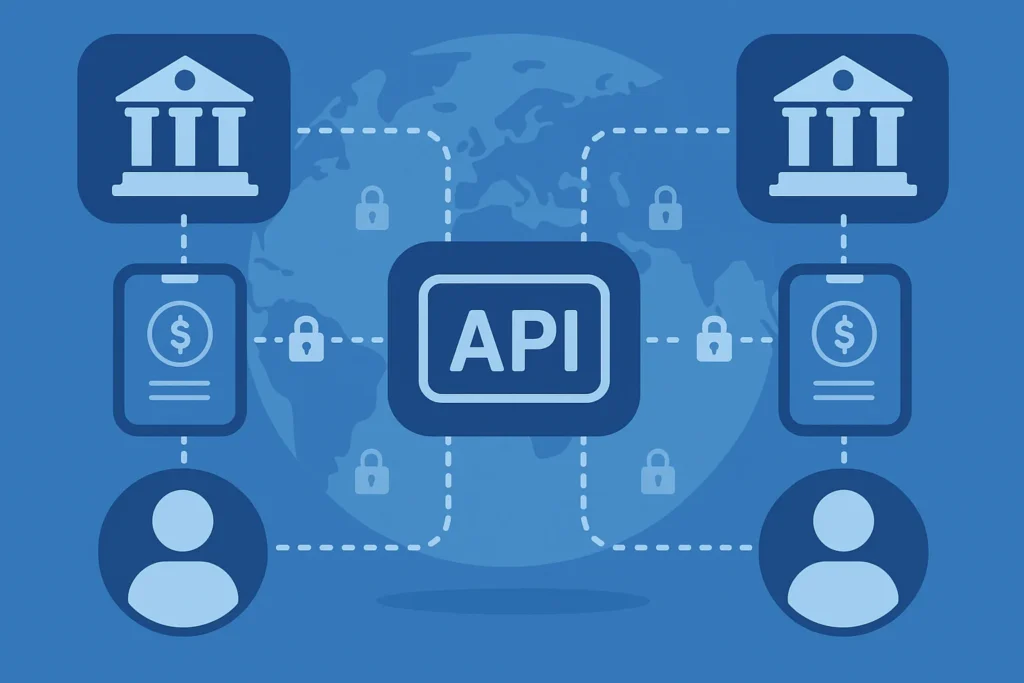
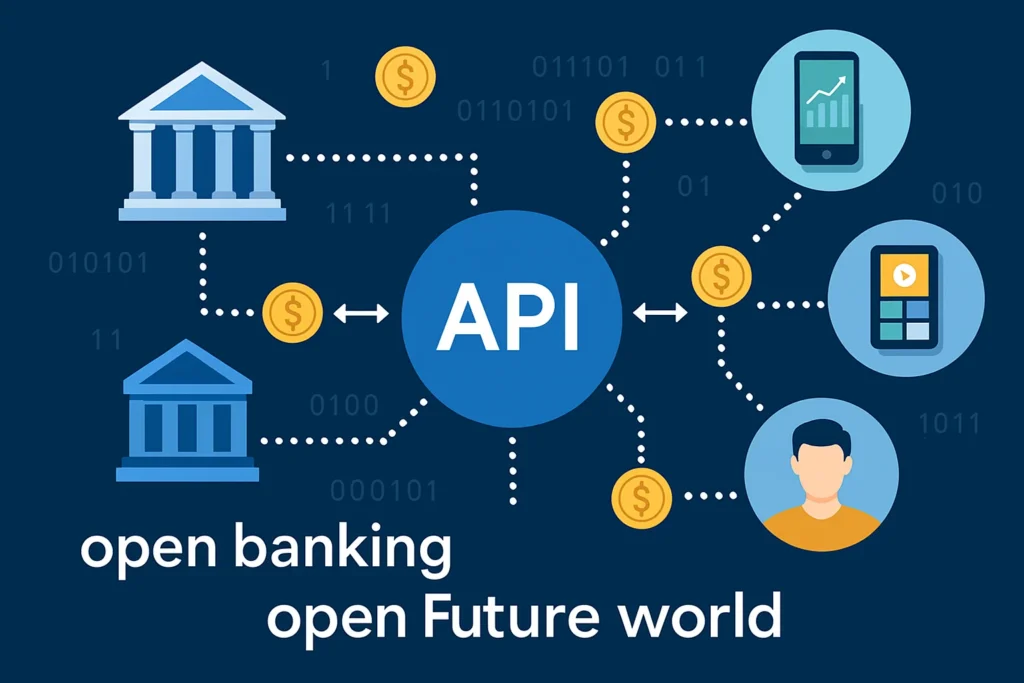
APIs act as shared infrastructure, not just technical connectors.
Data Security and Trust Remain Central
Trust is earned through transparency
Security discussions at the congress are more practical than theoretical. Topics often include:
- Strong customer consent management
- Clear data usage explanations
- Regular security audits and monitoring
Rather than claiming “perfect security,” speakers stress continuous improvement and risk reduction.
APIs as Business Infrastructure
Beyond compliance-driven APIs
APIs are no longer viewed only as regulatory requirements. Many institutions now use them to:
- Support embedded finance use cases
- Enable real-time payments and insights
- Improve internal system flexibility
Well-documented, stable APIs are seen as long-term assets.
The Shift Toward Open Finance
Expanding beyond bank accounts
Open finance extends open banking principles to areas such as:
- Investments
- Insurance
- Pensions
Congress discussions emphasize careful expansion, noting that different data types require different risk and consent models.
Fintech Innovation With Practical Focus
Fewer demos, more deployment stories
Recent congress editions showcase fewer experimental ideas and more real deployments. Common themes include:
- AI-assisted risk assessment
- Fraud detection improvements
- Smarter credit and affordability checks
The focus is on proven value rather than novelty.
Financial Inclusion as a Measurable Goal
Inclusion through usability, not just access
Speakers highlight that inclusion depends on:
- Simple interfaces
- Mobile-first design
- Local regulatory alignment
Open banking alone does not guarantee inclusion. It must be paired with thoughtful product design.
Regulatory Coordination and Standardization
Gradual alignment across regions
Regulators increasingly share frameworks and best practices. While global standards are still evolving, discussions emphasize:
- Reducing fragmentation
- Improving cross-border interoperability
- Protecting users consistently
The tone remains cautious and collaborative.
Artificial Intelligence in Open Banking
Supporting decisions, not replacing humans
AI discussions focus on support functions such as:
- Fraud monitoring
- Personalized insights
- Operational efficiency
There is clear acknowledgment that AI outcomes depend on data quality and governance.
Practical Lessons for Organizations
What banks should focus on
- API reliability and monitoring
- Clear customer communication
- Long-term vendor partnerships
What fintechs should prioritize
- Interoperability across banks
- Regulatory awareness
- Real customer problem-solving
Frequently Asked Questions
Is open banking fully mature in 2026?
Open banking is stable in many regions, but maturity varies. Some markets focus on optimization, while others are still expanding access.
Does open banking automatically improve customer trust?
No. Trust depends on transparency, usability, and consistent performance—not access alone.
Is open finance replacing open banking?
Open finance builds on open banking rather than replacing it. Banking data remains the foundation.
Future Outlook Beyond 2026
The Open Banking World Congress reflects an industry moving from vision to responsibility. The future is less about rapid expansion and more about:
- Reliability
- Governance
- Sustainable value creation
Progress will likely be steady rather than disruptive.
Conclusion
The Open Banking World Congress continues to serve as a grounded, practical forum for understanding digital finance evolution. Its recent focus on trust, execution, and real-world outcomes aligns closely with how open banking is being adopted globally.
For organizations navigating open banking in 2026 and beyond, the key takeaway is clear: success comes from thoughtful implementation, strong partnerships, and a long-term commitment to user value.