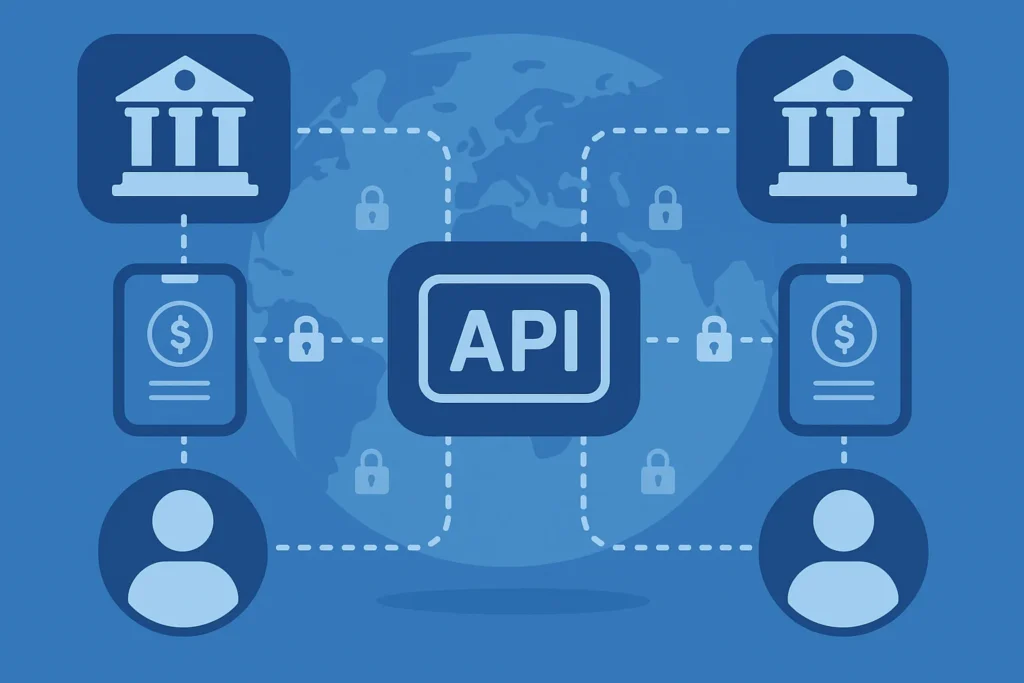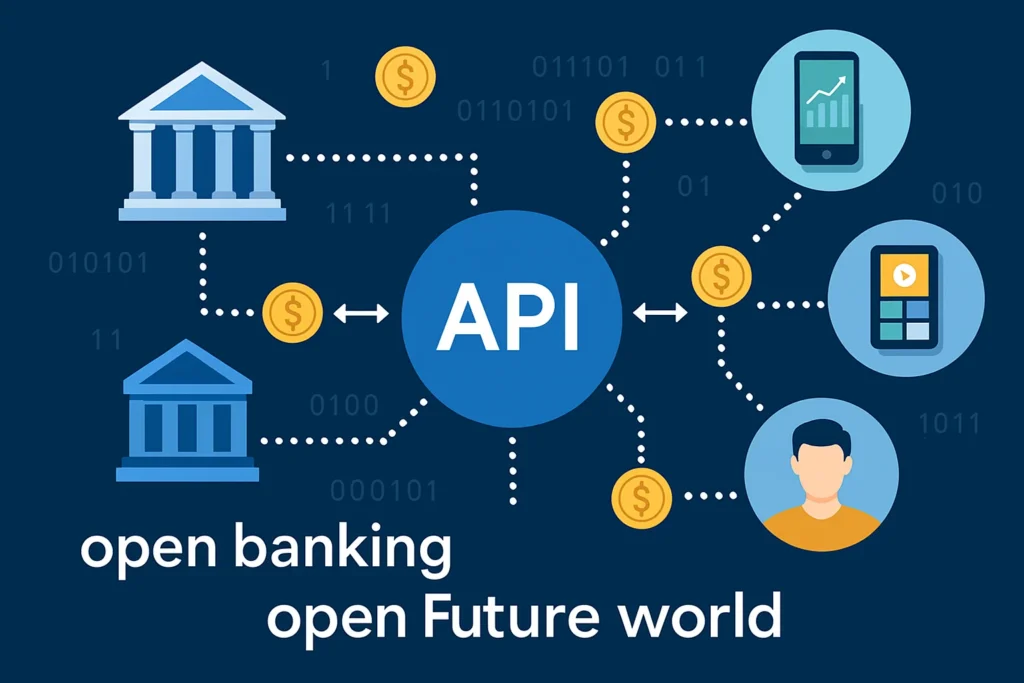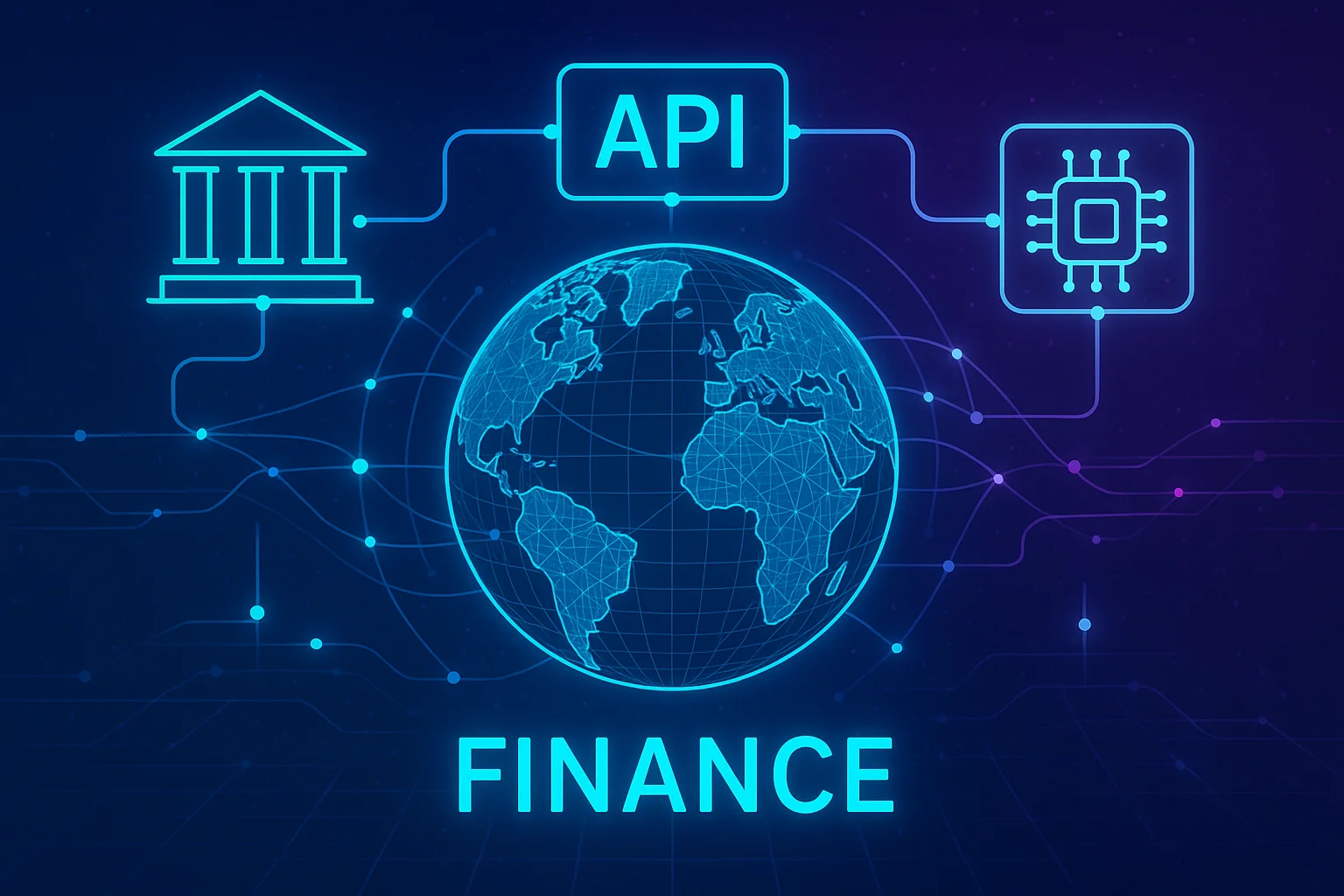
In the ever-evolving digital landscape, openfuture world finance is transforming how people and institutions interact with money. At the heart of this transformation lies the power of APIs (Application Programming Interfaces) — the invisible bridges that connect banks, fintechs, and consumers in real time. APIs are not just technical tools; they are the foundation of collaboration, innovation, and transparency in the new era of digital finance.
Understanding the API Revolution in OpenFuture World Finance
APIs are reshaping the structure of global finance by enabling seamless data sharing between financial institutions, third-party providers, and users. In traditional banking, systems operated in isolation — transactions were slow, information was locked, and innovation was limited. The openfuture world finance ecosystem breaks these barriers by creating secure digital connections that foster interoperability and trust.
At its core, an API allows different software systems to “talk” to one another. For example, a payment app can use a bank’s API to access account details, verify balances, and execute payments without manual input. This synergy between fintech innovation and open banking principles has paved the way for faster, smarter, and more inclusive financial services.
The Role of APIs in Open Banking
Open banking is one of the most significant outcomes of API-driven transformation. It allows customers to share financial data with trusted third parties, giving them control and choice. In the openfuture world finance model, APIs make this possible by ensuring that data flows securely between systems while maintaining privacy and compliance.
Through standardized APIs, banks can expose certain data — like transaction history or credit information — to authorized fintech platforms. This opens the door for new products such as personal finance apps, instant credit scoring, and multi-bank dashboards. Consumers benefit from transparency, while financial institutions gain access to a larger, innovation-friendly ecosystem.
APIs as the Backbone of Fintech Innovation
In the age of fintech innovation, APIs are the fuel driving growth and experimentation. Startups and established players use APIs to build on existing financial infrastructure without reinventing the wheel. Instead of developing full-scale banking systems, developers can leverage APIs to access services like payments, authentication, or currency exchange.
For example, an investment platform can integrate APIs from various data providers to offer real-time market insights. Similarly, a small business app might use APIs to automatically reconcile transactions across multiple bank accounts. This modular approach accelerates development, reduces costs, and expands access to digital financial services globally.
Enhancing Security and Compliance Through APIs
Security remains a top priority in openfuture world finance. APIs are designed with encryption, tokenization, and strict access controls to safeguard user information. Every API call must be authenticated, and sensitive data is transmitted through secure protocols like HTTPS and OAuth.
Moreover, API-driven ecosystems align with global regulatory frameworks such as PSD2 (Payment Services Directive 2) and GDPR (General Data Protection Regulation). These regulations encourage transparency and empower users to control how their financial data is used. The OpenFuture World vision aligns perfectly with these principles — promoting a secure, compliant, and user-centric digital finance environment.
Real-Time Payments and Data Connectivity
One of the biggest breakthroughs enabled by APIs is real-time financial connectivity. Traditional payment systems relied on batch processing, which delayed fund transfers and account updates. APIs have replaced this model with instant interactions. Whether it’s sending money across borders, checking balances, or authorizing transactions, everything now happens in seconds.
This real-time capability enhances financial inclusion and user experience. For instance, micro-lending platforms can instantly verify creditworthiness and disburse loans, while merchants can confirm payments in real time. The openfuture world finance ecosystem thrives on this immediacy — connecting users, providers, and data streams seamlessly.
APIs Empowering Global Financial Collaboration
The OpenFuture World represents a borderless digital finance network where collaboration drives growth. APIs allow institutions in different countries to interact within standardized frameworks. This global integration makes it easier for banks, payment providers, and fintechs to scale their services across regions.
For example, a European fintech company can expand into Asian markets using open APIs compatible with local regulations. Similarly, a U.S.-based neobank can integrate third-party services like currency conversion or insurance through APIs without building those systems from scratch. This interconnected world of finance mirrors the collaborative, transparent, and user-driven mission of openfuture world finance.
The Future of Banking in the API Economy
As digital transformation accelerates, APIs are shaping the future of banking. The next phase of API evolution will focus on advanced analytics, artificial intelligence, and personalized financial insights. Banks and fintechs will use predictive APIs to understand user behavior, recommend products, and detect fraud proactively.
Furthermore, APIs will enable embedded finance — integrating financial services directly into non-financial platforms like e-commerce, ride-hailing, or healthcare. Imagine buying insurance while booking a flight or getting instant credit while shopping online. Such seamless experiences are only possible through powerful, well-structured APIs that define the openfuture world finance ecosystem.
Challenges and Opportunities Ahead
Despite their transformative potential, APIs bring challenges such as standardization, data management, and interoperability. Different countries and institutions still follow varied API frameworks, making global integration complex. However, initiatives like the OpenFuture World are working to establish universal standards and promote consistency.
Opportunities far outweigh the challenges. Financial institutions adopting open APIs can access new revenue streams, partnerships, and customer segments. By embracing collaboration instead of competition, they position themselves as leaders in the connected world of digital finance.
Conclusion: APIs — The Heartbeat of OpenFuture World Finance
The rise of APIs has redefined how financial ecosystems operate. They empower institutions to innovate faster, users to gain control, and systems to interact securely. The openfuture world finance movement symbolizes this transformation — a future where banking is open, digital, and globally connected.
As we look ahead, one thing is clear: the future of finance isn’t about closed systems or outdated infrastructures. It’s about openness, collaboration, and technology — all made possible by the powerful network of APIs driving the OpenFuture World vision.