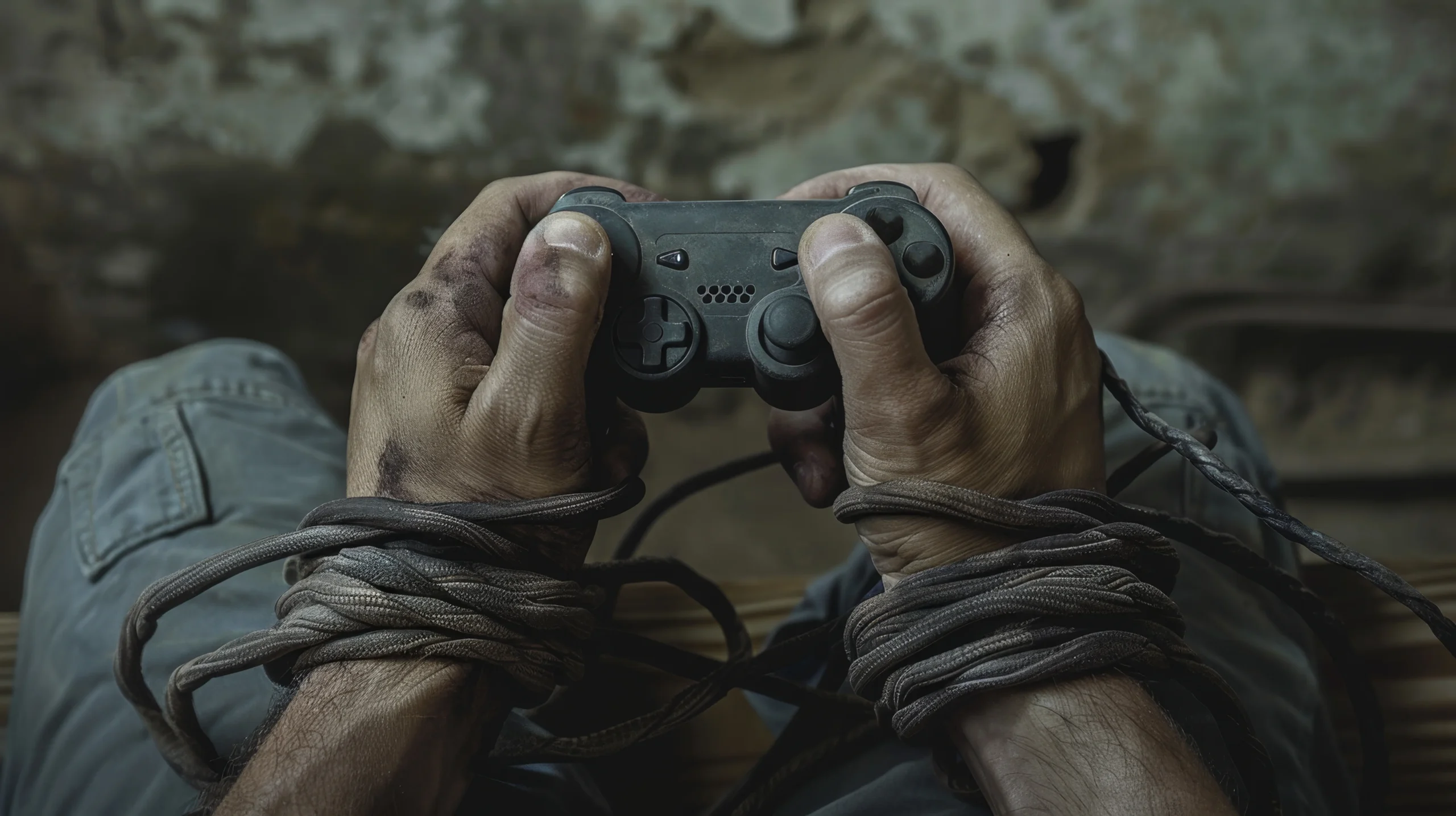
Gaming accessories should enhance the experience — not disrupt it. Yet one of the most searched frustrations today is connectivity issues HSSGamePad. From pro tournaments to casual gaming nights, users report inconsistent connections, delayed responses, or complete disconnections.
This article goes beyond basic troubleshooting to reveal real-world causes, patterns, and practical solutions professionals trust.
It’s designed for:
- Gamers seeking fast, working solutions
- Tech support staff resolving user complaints
- Content creators optimizing search visibility
- Websites aiming to rank for fresh, relevant gaming troubleshooting topics
Common Patterns Behind HSSGamePad Connectivity Issues
Connectivity problems rarely appear randomly. They follow patterns influenced by hardware, software, and user environment.
Wireless Interference
Wireless gamepads communicate on radio frequencies that overlap with:
- Wi‑Fi routers
- Bluetooth devices
- Other gaming gear
- Microwave ovens
- Smart home hubs
Multiple radios on the same frequency cause dropouts.
Power-Management Constraints
Modern systems save battery power, which can cause:
- Sleep-mode dropouts
- Disabled USB ports
- Inconsistent haptic feedback
This is a frequent cause of connectivity issues, especially after inactivity.
Outdated Drivers and Firmware
Old firmware or drivers can cause miscommunication between HSSGamePad and your system. Many users skip updates because:
- They don’t receive notifications
- They’re unaware updates exist
- The update process seems confusing
Result: lost packets, latency spikes, and timing mismatches.
Physical Obstructions
Walls, furniture, and even human bodies can weaken wireless signals.
- Signal reflection and absorption increase interference
- Maintaining line of sight improves connectivity
USB Port Issues
Not all USB ports are equal. Problems arise due to:
- Bus overload
- Loose connections
- Older USB standards (2.0 vs 3.0+)
- Internal hub bottlenecks
See also deepseekplay com – Complete Review, Safety Check, and User Guide
Scenarios Where Users Experience Connectivity Issues
Understanding when problems occur helps isolate root causes fast.
During initial setup
- Device fails to pair despite proper button presses
- System doesn’t recognize the HSSGamePad
- Lights blink but no communication
After waking system from sleep
- Device disconnects
- Re-pairing required each time
- Paired but unresponsive buttons
In congested environments
- LAN parties
- Dorm rooms
- Shared wireless hotspots
During intense gaming sessions
- Latency spikes
- Frame drops with delayed control feedback
- Intermittent button response
Actionable Solutions for Stable Connectivity
Evaluate and Adjust Wireless Channels
- Scan for crowded Wi-Fi channels
- Shift router to 5 GHz band
- Temporarily disable nearby Bluetooth devices
Update Firmware and Drivers
- Visit HSSGamePad support site
- Install the latest firmware
- Check for updates regularly
Modify Computer Power Settings
- Disable USB selective suspend
- Set high-performance mode on Windows
- Plug in laptops before gaming
Change USB Port Placement
- Connect directly to the computer, avoid hubs
- Test USB 2.0 if 3.0 is unstable
- Avoid front-panel USB ports if interference suspected
Reposition Physical Setup
- Keep gamepad in line of sight of receiver
- Avoid metal objects in between
- Shorten distance between device and host
Deeper Troubleshooting Beyond Basics
Internal RF Noise
Even if Wi-Fi channels are clear, internal noise can impact signal.
Solution:
- Turn off unrelated devices
- Use shielding or move electronics away
Driver Conflicts
Multiple controllers can conflict and cause connectivity issues.
Solution:
- Uninstall redundant drivers
- Disable unused joysticks in Device Manager
OS Updates
Some updates break HID communication.
Solution:
- Roll back updates if needed
- Check manufacturer notes for compatibility patches
Common Myths About Connectivity Issues HSSGamePad
- Myth 1: “Stronger Wi-Fi improves gamepad connection” – Not always; interference matters more.
- Myth 2: “Only Bluetooth controllers have connectivity problems” – RF controllers can also fail.
- Myth 3: “Reset fixes connection permanently” – Reset only clears pairing history.
Prevention and Long-Term Stability
Consistency is key.
Routine Update Checks:
- Keep firmware and drivers updated
Minimize Wireless Congestion:
- Turn off unused radios
- Schedule downloads outside gaming hours
Monitor Power Settings:
- Prevent energy-saving profiles from reactivating
Create Clean Hardware Profiles:
- Troubleshoot new peripherals before adding them
Real Case Study
A competitive player had frequent dropouts:
- Lost control during high-frequency movements
- Unstable reconnects after sleep
- Lag spikes
Solution:
- Disabled other Bluetooth radios
- Switched router to 5 GHz
- Disabled USB selective suspend
- Updated HSSGamePad firmware
Result:
- Zero dropouts in 72+ hours of testing
- Faster response
- Stable connection in long sessions
Support Recommendations
For tech teams:
- Log user environment details
- Ask about recent updates or hardware changes
- Replicate the environment if possible
- Suggest wired and wireless options
- Provide firmware update links proactively
Why Search Volume Is Increasing
- Wireless gaming gear adoption is rising
- Home interference is common
- Post-update compatibility issues spike
- Multi-platform gaming adds complexity
This trend shows fresh user interest, which boosts content relevance.
Conclusion
Connectivity problems with HSSGamePad are frustrating but fixable.
By identifying actual causes, applying targeted solutions, and maintaining systems regularly, you can ensure reliable wireless performance.
Follow the strategies outlined in this article, and you’ll experience stable, high-performance gaming every time.