2

How SSOID Works
2, General

How SSOID Works: Step-by-Step Explanation

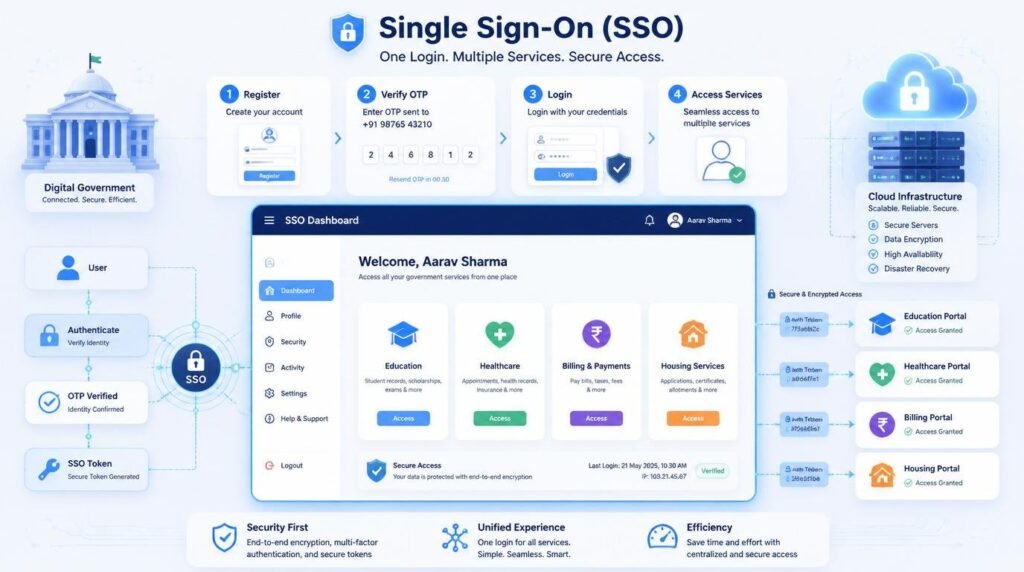
In today’s digital governance systems, one of the biggest challenges users face is managing multiple usernames and passwords for different services. To solve this problem, governments and organizations have introduced centralized login systems that simplify access and improve security. One such system is widely known through platforms like SSO ID, which allows users to access multiple government services using a single digital identity. Have you ever wondered how a single login can unlock dozens of services without repeatedly signing in? The answer lies in a carefully designed authentication system that connects identity, security, and service access in one place. Understanding the Concept of Single Sign-On Before diving into the process, it is important to understand what Single Sign-On actually means. It is a system where a user logs in once and gains access to multiple applications without needing to log in again for each service. Instead of creating separate accounts for every platform, users rely on one verified identity. This approach reduces password fatigue, improves security, and simplifies digital interaction. In government ecosystems, it is especially useful because citizens interact with multiple departments like taxation, education, health, and utilities. A unified system ensures smoother access and better efficiency. Step-by-Step Registration Process The journey begins with user registration, which is the foundation of the entire system. When a new user wants to create an account, they are required to provide basic personal details such as name, mobile number, email address, and sometimes identity verification documents. After entering the information, the system verifies the user through a one-time password (OTP) sent to their registered mobile number or email. This step ensures that only genuine users are allowed to proceed. Once verified, the user creates a secure password and completes the registration process. At this stage, a unique digital identity is generated. This identity acts as a master key for accessing all connected services in the ecosystem. Without this step, the entire login framework would not function effectively. Step-by-Step Login and Authentication Process Once registered, the login process becomes the gateway to all services. The user enters their username and password on the login page. The system then checks the credentials against the stored database. If the details match, the system does not immediately grant access to services. Instead, it generates a secure authentication session. This session acts like a temporary digital permission slip that confirms the user’s identity. During this process, encrypted tokens are created. These tokens are used to maintain session security and prevent unauthorized access. If the token is valid, the user is redirected to the dashboard where multiple services are available. This is where platforms like SSO ID become extremely useful, because they eliminate the need to log in repeatedly for every service request. How the System Works Behind the Scenes The real strength of the system lies in its backend architecture. When a user logs in, several processes occur simultaneously. First, the authentication server validates the credentials. Then, a secure token is generated and linked to the user’s session. This token is stored temporarily and shared across multiple connected services. Whenever the user tries to access a new service, the system checks the validity of the token instead of asking for login details again. This reduces processing time and improves efficiency. It also ensures that user data remains centralized, making it easier for systems to track activity and maintain records. The entire structure is designed to balance convenience and security. Without such a system, users would constantly need to manage multiple passwords, increasing the risk of weak or reused credentials. Services and Benefits for Users A centralized identity system provides access to a wide range of services from a single platform. Users can apply for certificates, pay bills, check application status, and access government portals without logging in separately for each task. One of the major advantages is time efficiency. Instead of remembering multiple passwords and usernames, users only need one set of credentials. This significantly reduces confusion and improves user experience. Another benefit is transparency. Since all activities are linked to a single identity, tracking and verification become easier for both users and administrators. Security and Privacy Features Security is a core element of the system. Multiple layers of protection are implemented to ensure data safety. These include encryption, session validation, OTP verification, and automatic logout features. Even if someone tries to access an account without permission, they cannot proceed without passing multiple verification stages. Additionally, session tokens expire after a certain period of inactivity, reducing the risk of misuse. User data is stored in encrypted form, making it difficult for unauthorized access. Regular system updates also help in fixing vulnerabilities and improving protection. Common Issues and System Handling Like any digital platform, users may sometimes face issues such as forgotten passwords, OTP delays, or login errors. However, the system is designed with recovery options. Users can reset their passwords using registered mobile numbers or emails. OTP-based verification ensures that only the rightful user regains access. In case of technical issues, support systems guide users through troubleshooting steps. These built-in recovery mechanisms ensure that access is not permanently lost and that users can continue using services smoothly. Conclusion Understanding how digital identity systems function helps users appreciate the technology behind everyday services. From registration to authentication, every step is designed to ensure security, convenience, and efficiency. The concept of a unified login system has transformed how people interact with digital platforms, especially in governance. By reducing complexity and improving access, it has made online services more user-friendly and reliable. In this entire ecosystem, the role of SSO ID becomes central, as it connects identity with multiple services in a secure and seamless way.
SSOID
2, General

Why SSOID is Important for Digital India Initiative

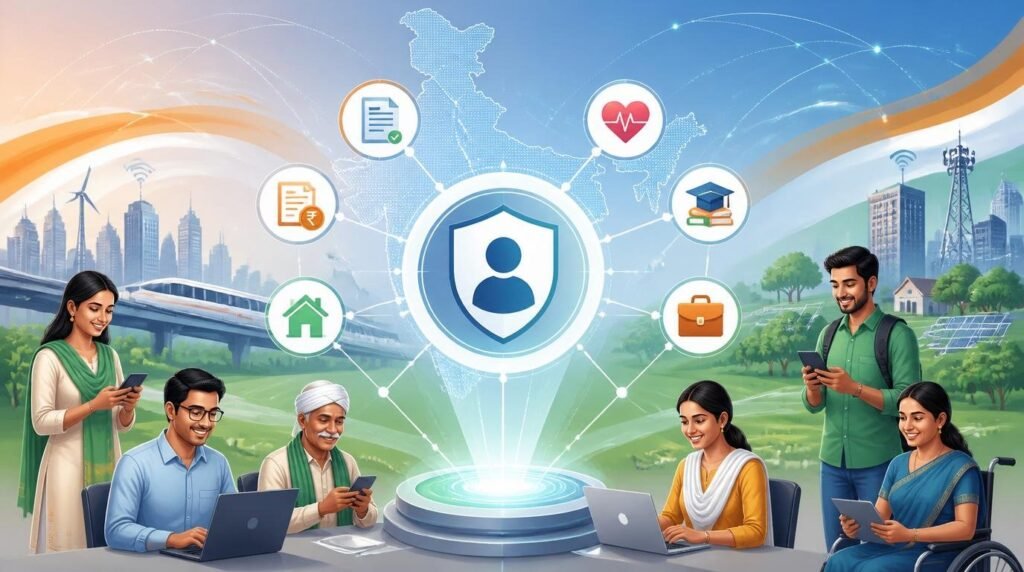
The vision of a fully digital nation has transformed how public services are designed and delivered. Over the past decade, India has moved steadily toward digitization, aiming to make governance faster, more transparent, and more accessible. But one critical challenge has always remained: how can millions of citizens access thousands of services without facing complexity, duplication, and confusion? This is where unified digital identity systems become essential. In the broader landscape of India, such systems are not just technical tools—they are foundational elements that support the entire structure of digital governance. They simplify interactions, reduce inefficiencies, and create a more connected public service environment. The Need for a Unified Digital Identity System Before digital transformation, accessing government services often meant dealing with separate portals, repeated verification processes, and multiple registrations. This created unnecessary barriers for citizens and increased workload for government departments. A unified identity system solves this problem by allowing users to access multiple services through a single authentication point. Instead of managing different credentials for each department, individuals can rely on one secure identity to navigate the entire ecosystem. This approach is not only convenient but also strategically important for scaling digital governance across a large and diverse population. At the center of this transformation is SSO ID, which acts as a bridge between citizens and government services, ensuring that access is simple, consistent, and secure. Improving Citizen Experience in Everyday Governance One of the most visible impacts of digital governance is how it changes the daily experience of citizens. Earlier, people had to visit offices physically, submit paperwork multiple times, and wait in long queues for basic services. Now, the experience is significantly more streamlined. Citizens can apply for services, track applications, and access documents from a single platform. This reduces both time and effort while improving overall satisfaction. More importantly, it empowers individuals by giving them control over their interactions with government systems. Instead of relying on intermediaries, users can directly manage their needs in a transparent environment. Have you ever thought about how much time is lost in repetitive administrative tasks? A unified system helps reclaim that time and redirect it toward more meaningful activities. Strengthening Government Efficiency and Coordination Digital India is not only about citizen convenience; it is also about improving how government institutions function internally. Without integration, departments often operate in isolation, leading to delays, duplication of work, and inefficiencies. A unified identity framework connects these departments, allowing them to share verified data securely and efficiently. This reduces redundancy and improves coordination between different agencies. As a result, application processing becomes faster, decision-making becomes more accurate, and overall governance becomes more responsive. Employees spend less time managing data and more time focusing on service delivery. The presence of SSO ID ensures that this coordination happens smoothly without creating additional complexity for users or administrators. Enhancing Security and Building Digital Trust Security is one of the most important pillars of any digital system. When personal data is involved, users need assurance that their information is protected. Unified identity systems are designed with strong authentication mechanisms, encryption technologies, and controlled access systems to ensure data safety. This reduces the risk of unauthorized access and improves overall system reliability. Trust plays a major role in digital adoption. If users do not feel secure, they are less likely to engage with online services. A secure system encourages participation and builds long-term confidence in digital governance. Would people fully embrace online services without trust in the system? Probably not, which is why security remains a top priority. Driving Inclusion and Bridging the Digital Divide One of the core goals of Digital India is inclusivity. However, accessibility challenges still exist, especially in rural and semi-urban areas where digital literacy may be limited. A simplified identity system helps bridge this gap by reducing complexity and making services easier to access. Users do not need advanced technical knowledge to navigate government platforms. Instead, they can rely on a straightforward login system to access essential services. This inclusion ensures that digital transformation is not limited to urban populations but reaches every segment of society. It helps create equal opportunities for all citizens, regardless of location or technical skill level. Supporting Large-Scale Digital Transformation India’s population size makes governance a complex challenge. Any digital system must be capable of handling millions of users while maintaining performance and reliability. Unified identity systems are built to scale efficiently. They allow new services to be added without disrupting existing workflows. This flexibility is essential for a rapidly evolving digital ecosystem. The presence of SSO ID ensures that as more services become digital, users do not face increased complexity. Instead, everything remains accessible through a consistent and unified structure. Transparency and Accountability in Governance Transparency is one of the most powerful outcomes of digital governance. When processes are visible, users can track progress and understand how decisions are made. This reduces uncertainty and eliminates the need for intermediaries. Citizens can directly interact with systems and receive updates in real time. For government departments, transparency also improves accountability. When processes are traceable, it becomes easier to identify inefficiencies and improve performance. Isn’t transparency the foundation of trust in public systems? Digital tools make this transparency more achievable than ever before. Challenges in Implementation and Adoption While the benefits are significant, implementing a nationwide digital identity system comes with challenges. One of the biggest issues is awareness. Many users may not fully understand how to use digital platforms effectively. Another challenge is maintaining system performance as usage grows. With millions of users accessing services simultaneously, ensuring speed and reliability is essential. Continuous improvements, training programs, and user support systems are necessary to address these challenges. Over time, adoption increases as users become more familiar with digital tools. The Future of Digital Governance in India The future of governance is increasingly digital, interconnected, and data-driven. As technology continues to evolve, more services will be integrated into unified platforms. This will further reduce administrative complexity and enhance user experience.

Scroll to Top