Insights into Digital Finance Trends

open banking open future world
Digital Finance & Open Banking

What Is Open Banking? The Foundation of OpenFuture World

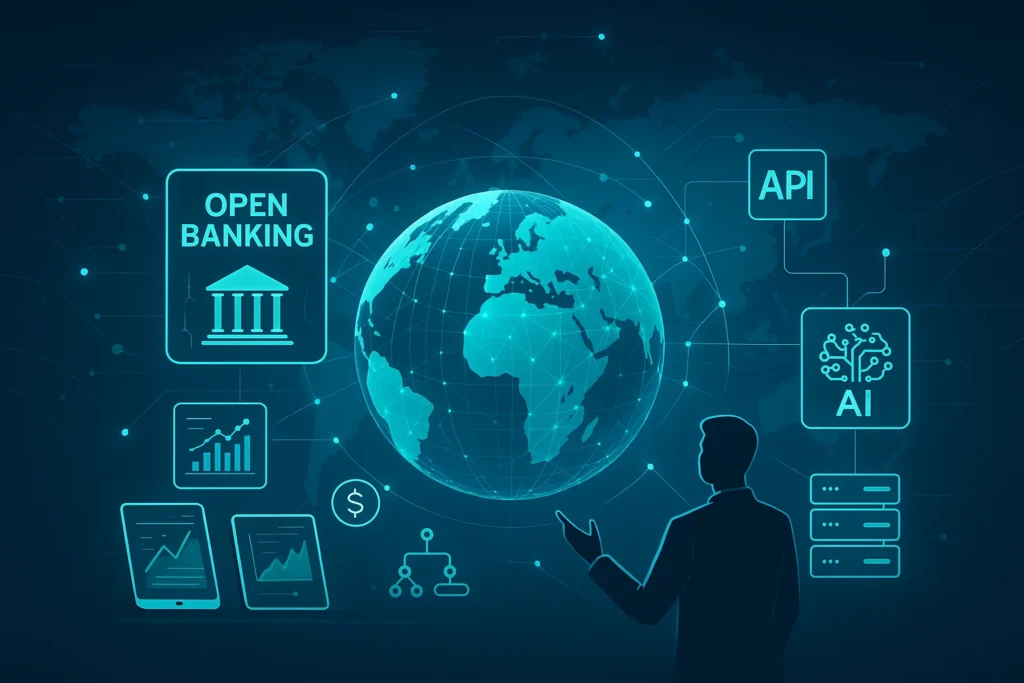
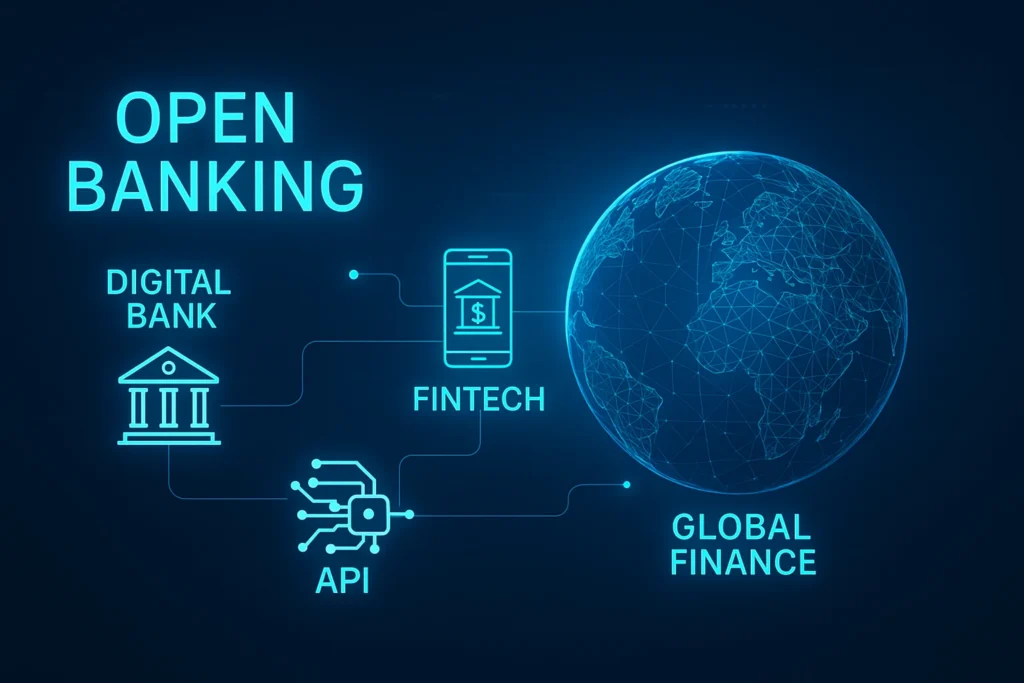
In today’s rapidly evolving digital economy, an open banking open future world represents more than a financial trend—it’s a transformation reshaping how we interact with money. The rise of OpenFuture World symbolizes this new era, where data transparency, secure connectivity, and user empowerment define the foundation of global digital finance. Open banking, at its core, enables financial institutions, fintechs, and users to connect seamlessly through secure APIs. This openness builds a unified ecosystem—driving competition, innovation, and accessibility across the banking landscape. Understanding Open Banking in the OpenFuture World Context The concept of open banking open future world revolves around giving consumers control over their financial data. Instead of banks holding exclusive access to customer information, open banking allows individuals to share their data securely with trusted third-party apps and platforms. This approach creates a more inclusive and user-centric financial environment. With OpenFuture World, users can view accounts, manage investments, and access tailored financial products—all within a connected digital ecosystem. Example: Imagine your budgeting app communicating directly with your bank to analyze spending and recommend smarter saving strategies. That’s open banking in action. How APIs Drive the OpenFuture World of Finance APIs (Application Programming Interfaces) are the backbone of open banking open future world. They enable banks and fintech companies to exchange financial data securely, quickly, and efficiently. Instead of traditional manual systems, APIs automate financial transactions, making them faster and more transparent. This secure connectivity empowers customers with real-time financial insights, reduces friction, and fuels the digital transformation of finance. In the OpenFuture World ecosystem, APIs: Enable seamless payments and data sharing. Allow third-party apps to create new financial tools. Enhance financial decision-making with AI-powered insights. The Benefits of Open Banking for Everyone Open banking has revolutionized the financial experience for consumers, businesses, and banks alike. Here’s how open banking open future world brings value to each stakeholder: For Consumers Transparency: Users have visibility across all financial accounts in one place. Convenience: Faster payments, better budgeting tools, and personalized recommendations. Control: Customers choose who can access their financial data and for how long. For Businesses Innovation: Access to open data fosters product innovation and competition. Efficiency: Streamlined transactions reduce operational costs. Customer Insights: Businesses gain deeper understanding of client needs through data analysis. For Banks and Fintechs Collaboration: Open banking encourages partnerships rather than competition. New Revenue Streams: Banks can offer data-based services and integrations. Security and Compliance: Adherence to data protection standards builds customer trust. Security and Trust – The Core of OpenFuture World Security is the foundation of open banking open future world. As data sharing becomes more common, robust privacy and authentication systems are essential. OpenFuture World prioritizes: Strong encryption protocols for all API-based transactions. Two-factor authentication to verify user identity. Compliance with global data standards, such as GDPR and PSD2. This ensures that financial information remains safe while enabling innovation. Trust is what allows open banking to thrive, and OpenFuture World’s commitment to transparency reinforces this trust. How Open Banking Empowers Financial Inclusion A significant goal of open banking open future world is to make financial services accessible to everyone, regardless of location or income. Traditional banking often excludes millions of people worldwide due to barriers like lack of documentation or infrastructure. With open banking: Digital wallets and fintech apps can serve unbanked populations. Microloans and savings platforms become more accessible. Data-driven credit scoring helps individuals qualify for financial products. Through this inclusivity, OpenFuture World is not just reshaping finance—it’s redefining equality in the digital age. The Role of Fintech Innovation in OpenFuture World Fintech companies play a crucial role in advancing open banking open future world. Their ability to innovate quickly and personalize user experiences has pushed traditional banks to adapt. OpenFuture World supports this collaboration by connecting banks and fintech innovators. Together, they’re creating an open ecosystem where digital lending, investment platforms, and financial management tools thrive. Examples of fintech-driven progress include: Smart payment gateways using real-time APIs. AI-based wealth management platforms. Global financial dashboards for multi-currency users. Open Banking and the Future of Digital Finance As we look toward 2025 and beyond, open banking open future world continues to evolve into a global standard. The future of banking is not about competition—it’s about cooperation through connectivity. We’re moving from closed financial systems to open digital ecosystems, where innovation benefits everyone. As APIs, artificial intelligence, and blockchain technologies mature, the next wave of open banking will focus on predictive finance, sustainability, and global interoperability. Conclusion – OpenFuture World and the Next Chapter of Finance Open banking open future world isn’t just a concept—it’s the foundation of the new digital economy. By fostering transparency, trust, and technology-driven inclusivity, OpenFuture World is shaping the financial systems of tomorrow. In this new landscape, users remain in control, innovation thrives, and financial access becomes universal. The future of finance is open—and OpenFuture World is leading the way.

openfuture world
Digital Finance & Open Banking

OpenFuture World: A Practical Guide to Open Banking and Digital Finance

Introduction OpenFuture World is focused on explaining and supporting how modern digital finance works in an open, connected environment. As financial systems evolve worldwide, users and businesses need clear, trustworthy information about open banking, data sharing, and digital tools. This guide explains OpenFuture World in simple terms—what it is, how it works, and why it matters for everyday users, fintech teams, and financial institutions across different regions. What Is the OpenFuture World? OpenFuture World is a global digital finance platform and knowledge hub centered on open banking, APIs, and financial technology innovation. Its goal is to help people understand how financial data can be shared securely and responsibly to create better services—without requiring deep technical knowledge. How OpenFuture World Approaches Digital Finance Moving Beyond Closed Banking Systems Traditional banking systems often operate in isolation. OpenFuture World highlights a different approach—one where banks, fintech companies, and users interact through secure digital connections. This approach supports: Greater transparency More user choice Improved service innovation Rather than replacing banks, open systems aim to improve how financial services are delivered. Open Banking Explained Simply Open banking allows individuals and businesses to share their financial data with approved third-party services, using secure permissions. How OpenFuture World Supports This Concept Explains open banking standards in plain language Focuses on consent-based data sharing Highlights real-world use cases instead of theory Examples may include budgeting apps, credit assessment tools, or payment services—depending on local regulations. Why APIs Matter in OpenFuture World APIs as Digital Connectors APIs (Application Programming Interfaces) allow different financial systems to communicate safely. Within the OpenFuture World ecosystem, APIs help: Verify account information securely Enable faster digital payments Support personalized financial tools Reduce friction between platforms APIs are not user-visible, but they power many modern financial experiences. Financial Inclusion and Accessibility Access to financial services varies greatly by country and region. OpenFuture World focuses on education and awareness around tools that may help improve inclusion. Potential use cases include: Mobile-based payment solutions Digital wallets Low-cost transfer systems Small business payment tools Actual availability depends on local infrastructure and regulation, which OpenFuture World encourages users to understand. Security, Privacy, and User Control How Trust Is Addressed OpenFuture World emphasizes widely accepted digital finance principles rather than guarantees. These include: User consent before data sharing Encrypted data transmission Regulatory alignment where applicable Clear explanations of data rights Security practices vary by provider, but transparency remains central. Open Finance: The Next Evolution Open banking is often a starting point. OpenFuture World also explores open finance, which may include: Investment data Insurance services Pension information Cross-platform financial insights Adoption levels differ globally, but the trend toward broader data access is growing. Fintech Innovation and Collaboration Fintech companies play a major role in shaping digital finance. OpenFuture World highlights how open systems can support: Faster experimentation Lower technical barriers Improved customer experience Cross-industry collaboration This collaboration can benefit both startups and established institutions when implemented responsibly. Frequently Asked Questions (FAQs) Is OpenFuture World a bank? No. It is not a bank or financial institution. It focuses on education, insights, and digital finance concepts. Does open banking mean my data is public? No. Open banking relies on user permission. Data is shared only with approved providers and only when consent is given. Is open banking available worldwide? Availability depends on country-specific laws and regulations. OpenFuture World addresses this from a global perspective. Who benefits most from open finance? Consumers, small businesses, developers, and financial service providers may all benefit, depending on use cases. Conclusion OpenFuture World provides a clear, balanced view of how open banking and digital finance work in today’s interconnected economy. By focusing on education, transparency, and responsible innovation, it helps users and businesses navigate financial change with confidence. As financial systems continue to evolve, platforms like OpenFuture World play an important role in making complex topics understandable—without hype, risk, or misinformation.

Scroll to Top