Insights into Digital Finance Trends

open banking future world
Digital Finance & Open Banking

Open Banking vs Traditional Banking – The Future Is OpenFuture World

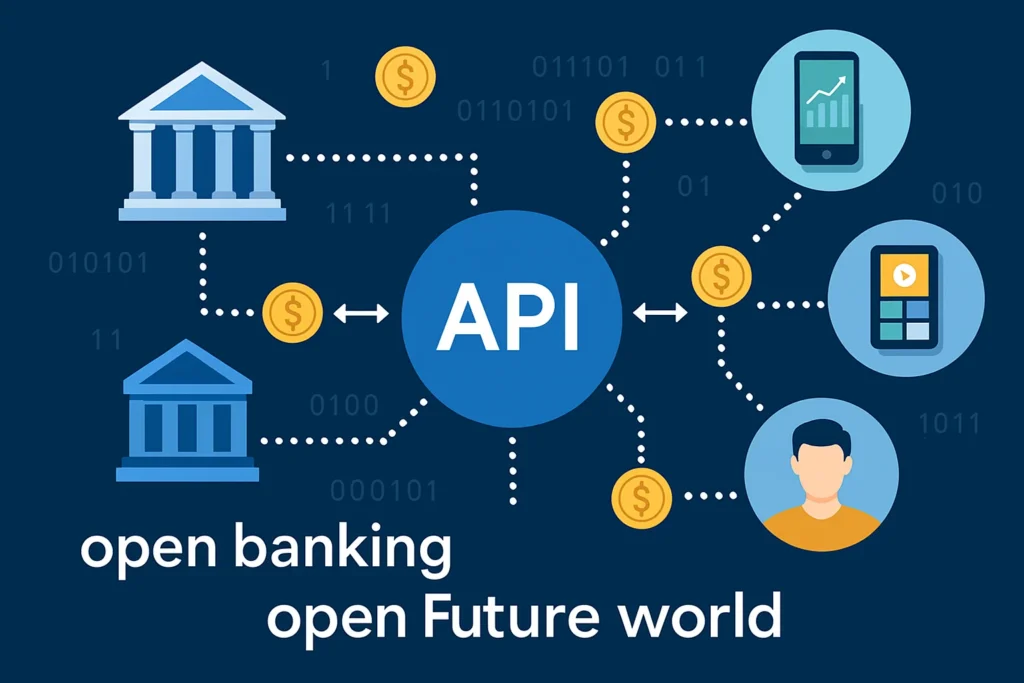
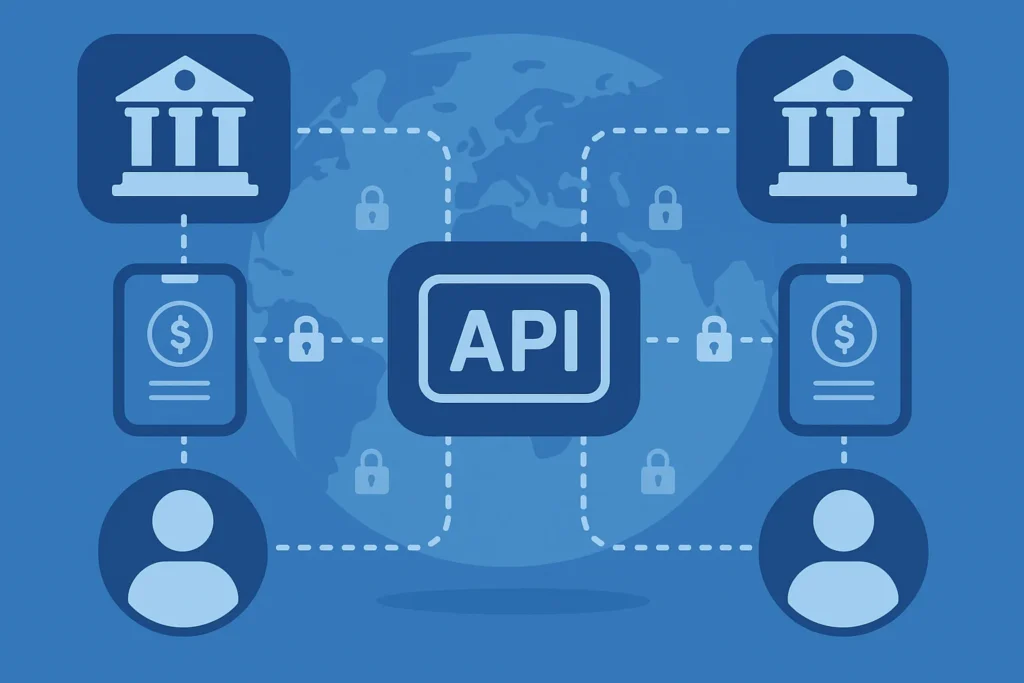
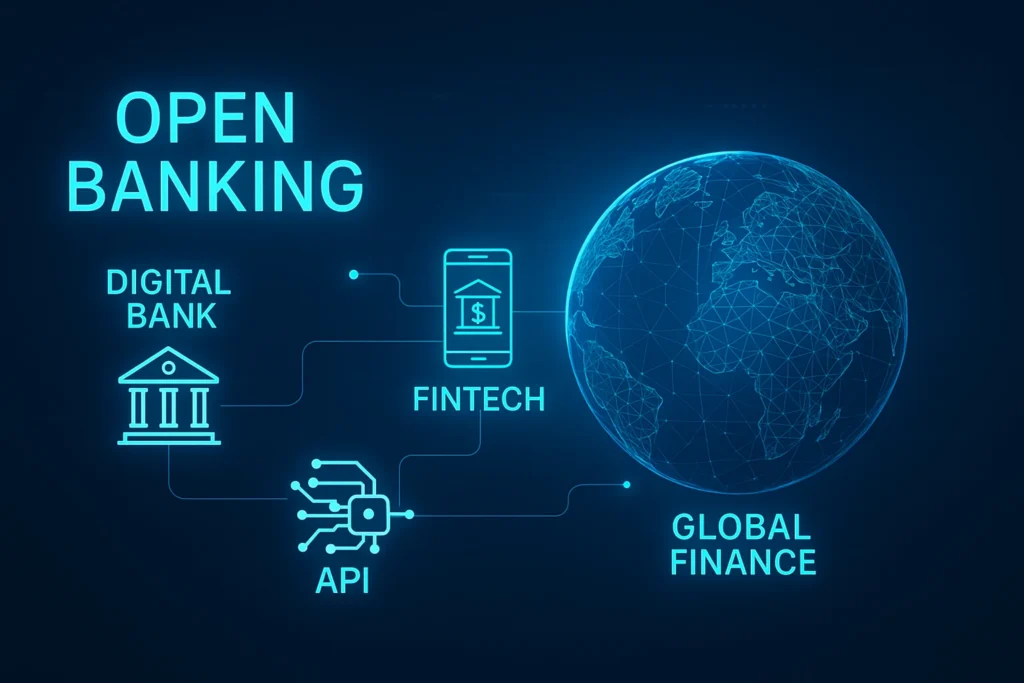
The open banking future world is transforming how people access, manage, and interact with money. For decades, traditional banks controlled the financial system, offering limited transparency and customer choice. But as technology reshapes finance, open banking has emerged as the foundation for a smarter, more connected financial ecosystem. This evolution marks a shift from closed, institution-driven systems to open, customer-centered innovation — and OpenFuture World is leading that transformation. The Shift from Traditional to Open Banking Traditional banking relied on centralized control — customers could only access services offered by their bank. Transactions, data, and financial insights stayed behind closed walls. While secure, this system lacked flexibility and innovation. Open banking changes that narrative. It’s built on the principle of data sharing through secure APIs (Application Programming Interfaces), allowing third-party fintechs, payment apps, and digital platforms to connect directly with bank systems. This interconnectedness promotes financial transparency, competition, and user empowerment — the pillars of the open banking future world. What Is Open Banking? Open banking allows consumers to securely share their financial data with authorized third parties. By doing so, users gain access to more personalized financial tools — such as smart budgeting apps, automated savings tools, and better loan comparison options. In the open banking future world, users are no longer bound by one bank’s limitations. They can choose the best financial services available across multiple providers — seamlessly connected within a single digital ecosystem. Key Components of Open Banking APIs (Application Programming Interfaces): The technological bridge between banks and fintechs, enabling secure data exchange. Customer Consent: Open banking gives users control. Data sharing happens only when customers permit it. Enhanced Security: Open banking systems follow strong regulatory standards, including encryption, multi-factor authentication, and compliance frameworks like PSD2 in Europe. Traditional Banking: The Old Guard Before open banking, financial institutions worked in isolation. A customer’s transaction data, credit history, and financial behavior were owned and controlled by one bank. Switching providers or comparing services was slow and difficult. While traditional banking provided stability and trust, it often failed to meet modern consumer expectations — instant payments, global transfers, mobile access, and integration with apps. This gap paved the way for the open banking future world, which prioritizes connectivity and innovation over confinement. Open Banking vs Traditional Banking: Key Differences Feature Traditional Banking Open Banking Data Ownership Bank owns and controls customer data Customer owns and shares data securely Innovation Speed Slow, limited to internal systems Fast, driven by fintech collaboration User Experience Basic digital services Personalized, app-integrated, real-time Transparency Limited Full visibility of financial options Security Centralized protection Multi-layered, API-driven security Competition Low – few players High – fintechs, banks, and digital apps collaborate This shift creates a new paradigm: banks are no longer competitors alone but partners in innovation. They collaborate with fintechs to provide a better experience under the open banking future world. How OpenFuture World Leads the Banking Revolution OpenFuture World serves as the central hub for global open banking collaboration. It connects banks, fintech innovators, API developers, and regulators to accelerate financial transformation. By showcasing best practices, real-world API use cases, and digital finance trends, OpenFuture World acts as a bridge between innovation and implementation — helping the world move beyond legacy systems and into an interconnected open banking future world. Benefits of Open Banking 1. Empowered Customers Users gain full control over their financial data. Instead of being locked into one institution, they can access personalized solutions tailored to their needs — from low-interest loans to AI-driven budgeting apps. 2. Enhanced Innovation Open banking encourages fintech startups to create services that complement traditional banking. This collaboration results in smarter payment systems, faster transactions, and innovative financial management tools. 3. Global Financial Inclusion Millions of unbanked individuals can now participate in the financial ecosystem through open APIs and mobile platforms. The open banking future world ensures that access to financial tools isn’t limited by geography or traditional institutions. 4. Improved Security and Compliance Contrary to myths, open banking enhances security. By using advanced encryption, tokenization, and regulatory frameworks, it ensures every data exchange is traceable and compliant. APIs – The Core of the Open Banking Future World APIs are the silent engine behind open banking. They allow systems to “talk” to each other in real time — enabling everything from seamless payment integrations to multi-bank account dashboards. In the open banking future world, APIs fuel innovation by turning traditional financial systems into flexible, interoperable platforms that can evolve rapidly with market demands. For example, instead of manually transferring data between systems, APIs allow instant connection between your bank, credit card, investment platform, and budgeting app — all while maintaining data integrity and security. The Role of Fintechs and Banks in the Open Banking Future In this new ecosystem, banks are partners, not gatekeepers. They provide infrastructure, while fintechs deliver user-centric solutions. Together, they form a connected digital finance network that benefits everyone — from individuals to global enterprises. Fintech Contributions Developing smart algorithms for personalized financial recommendations Creating seamless payment and lending apps Expanding access to credit and global remittance services Bank Contributions Providing secure financial infrastructure Ensuring compliance and data integrity Partnering with fintechs to scale innovation globally This collaboration ensures that the open banking future world is not only technologically advanced but also trustworthy and inclusive. Challenges and the Path Forward Despite rapid growth, open banking faces several challenges — including consumer awareness, regulatory differences, and cybersecurity concerns. However, the global trend is clear: digital finance is evolving toward openness, collaboration, and user empowerment. Financial institutions that adapt will thrive in this open banking future world, while those that resist risk being left behind. The Future Is OpenFuture World The future of finance is not about competition between banks and fintechs — it’s about collaboration. The open banking future world is redefining financial services with transparency, inclusivity, and customer control at its core. As APIs, digital platforms, and data-driven insights continue to expand, OpenFuture World stands at the center of this

openfuture world finance
Digital Finance & Open Banking

How APIs Are Powering the OpenFuture World of Finance

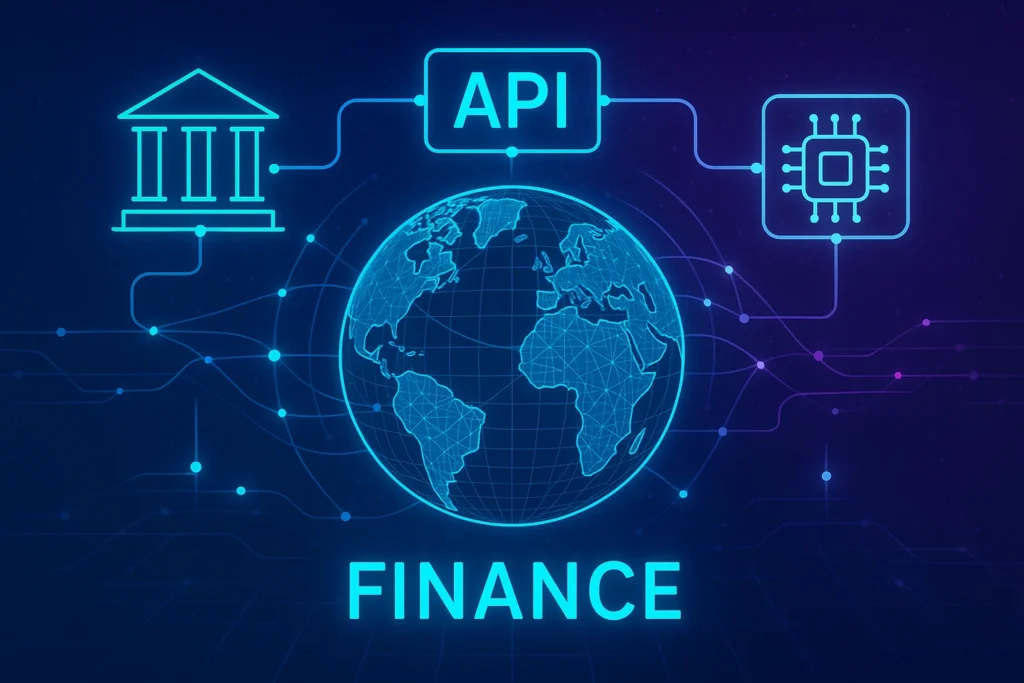
In the ever-evolving digital landscape, openfuture world finance is transforming how people and institutions interact with money. At the heart of this transformation lies the power of APIs (Application Programming Interfaces) — the invisible bridges that connect banks, fintechs, and consumers in real time. APIs are not just technical tools; they are the foundation of collaboration, innovation, and transparency in the new era of digital finance. Understanding the API Revolution in OpenFuture World Finance APIs are reshaping the structure of global finance by enabling seamless data sharing between financial institutions, third-party providers, and users. In traditional banking, systems operated in isolation — transactions were slow, information was locked, and innovation was limited. The openfuture world finance ecosystem breaks these barriers by creating secure digital connections that foster interoperability and trust. At its core, an API allows different software systems to “talk” to one another. For example, a payment app can use a bank’s API to access account details, verify balances, and execute payments without manual input. This synergy between fintech innovation and open banking principles has paved the way for faster, smarter, and more inclusive financial services. The Role of APIs in Open Banking Open banking is one of the most significant outcomes of API-driven transformation. It allows customers to share financial data with trusted third parties, giving them control and choice. In the openfuture world finance model, APIs make this possible by ensuring that data flows securely between systems while maintaining privacy and compliance. Through standardized APIs, banks can expose certain data — like transaction history or credit information — to authorized fintech platforms. This opens the door for new products such as personal finance apps, instant credit scoring, and multi-bank dashboards. Consumers benefit from transparency, while financial institutions gain access to a larger, innovation-friendly ecosystem. APIs as the Backbone of Fintech Innovation In the age of fintech innovation, APIs are the fuel driving growth and experimentation. Startups and established players use APIs to build on existing financial infrastructure without reinventing the wheel. Instead of developing full-scale banking systems, developers can leverage APIs to access services like payments, authentication, or currency exchange. For example, an investment platform can integrate APIs from various data providers to offer real-time market insights. Similarly, a small business app might use APIs to automatically reconcile transactions across multiple bank accounts. This modular approach accelerates development, reduces costs, and expands access to digital financial services globally. Enhancing Security and Compliance Through APIs Security remains a top priority in openfuture world finance. APIs are designed with encryption, tokenization, and strict access controls to safeguard user information. Every API call must be authenticated, and sensitive data is transmitted through secure protocols like HTTPS and OAuth. Moreover, API-driven ecosystems align with global regulatory frameworks such as PSD2 (Payment Services Directive 2) and GDPR (General Data Protection Regulation). These regulations encourage transparency and empower users to control how their financial data is used. The OpenFuture World vision aligns perfectly with these principles — promoting a secure, compliant, and user-centric digital finance environment. Real-Time Payments and Data Connectivity One of the biggest breakthroughs enabled by APIs is real-time financial connectivity. Traditional payment systems relied on batch processing, which delayed fund transfers and account updates. APIs have replaced this model with instant interactions. Whether it’s sending money across borders, checking balances, or authorizing transactions, everything now happens in seconds. This real-time capability enhances financial inclusion and user experience. For instance, micro-lending platforms can instantly verify creditworthiness and disburse loans, while merchants can confirm payments in real time. The openfuture world finance ecosystem thrives on this immediacy — connecting users, providers, and data streams seamlessly. APIs Empowering Global Financial Collaboration The OpenFuture World represents a borderless digital finance network where collaboration drives growth. APIs allow institutions in different countries to interact within standardized frameworks. This global integration makes it easier for banks, payment providers, and fintechs to scale their services across regions. For example, a European fintech company can expand into Asian markets using open APIs compatible with local regulations. Similarly, a U.S.-based neobank can integrate third-party services like currency conversion or insurance through APIs without building those systems from scratch. This interconnected world of finance mirrors the collaborative, transparent, and user-driven mission of openfuture world finance. The Future of Banking in the API Economy As digital transformation accelerates, APIs are shaping the future of banking. The next phase of API evolution will focus on advanced analytics, artificial intelligence, and personalized financial insights. Banks and fintechs will use predictive APIs to understand user behavior, recommend products, and detect fraud proactively. Furthermore, APIs will enable embedded finance — integrating financial services directly into non-financial platforms like e-commerce, ride-hailing, or healthcare. Imagine buying insurance while booking a flight or getting instant credit while shopping online. Such seamless experiences are only possible through powerful, well-structured APIs that define the openfuture world finance ecosystem. Challenges and Opportunities Ahead Despite their transformative potential, APIs bring challenges such as standardization, data management, and interoperability. Different countries and institutions still follow varied API frameworks, making global integration complex. However, initiatives like the OpenFuture World are working to establish universal standards and promote consistency. Opportunities far outweigh the challenges. Financial institutions adopting open APIs can access new revenue streams, partnerships, and customer segments. By embracing collaboration instead of competition, they position themselves as leaders in the connected world of digital finance. Conclusion: APIs — The Heartbeat of OpenFuture World Finance The rise of APIs has redefined how financial ecosystems operate. They empower institutions to innovate faster, users to gain control, and systems to interact securely. The openfuture world finance movement symbolizes this transformation — a future where banking is open, digital, and globally connected. As we look ahead, one thing is clear: the future of finance isn’t about closed systems or outdated infrastructures. It’s about openness, collaboration, and technology — all made possible by the powerful network of APIs driving the OpenFuture World vision.

open banking world congress
Digital Finance & Open Banking

Open Banking World Congress – Key Lessons for 2026

Introduction The Open Banking World Congress has become a key reference point for understanding where digital finance is heading. As open banking matures across regions, the congress helps banks, fintechs, regulators, and technology providers align on practical challenges, real-world adoption, and long-term trust. Rather than focusing on hype, recent discussions have shifted toward sustainability, security, and user value. The 2025–2026 conversations reflect a more realistic phase of open banking—one centered on execution, governance, and measurable outcomes. This updated guide breaks down the most relevant insights and lessons that continue to shape open banking globally. Why the Open Banking World Congress Matters A global reference for digital finance direction The Open Banking World Congress brings together stakeholders from multiple regions, making it a valuable lens into how open banking differs—and aligns—across markets. It highlights: How regulations are applied in practice What banks struggle with after initial API launches Where fintech partnerships deliver real value This makes the congress useful not just for strategy leaders, but also for product, compliance, and engineering teams. Open Banking in 2026: A More Mature Phase From experimentation to accountability Earlier open banking phases focused on access and connectivity. By 2026, the emphasis has moved toward: Reliability of APIs Consistent user experiences Clear business models Many sessions now address what happens after open banking goes live—maintenance, performance, and long-term adoption. Key Themes Reinforced by the Congress Collaboration Over Competition Ecosystems outperform isolated solutions A consistent message is that open banking works best when institutions collaborate rather than operate in silos. Banks increasingly partner with fintechs to: Improve onboarding flows Enhance data-driven insights Deliver faster feature updates APIs act as shared infrastructure, not just technical connectors. Data Security and Trust Remain Central Trust is earned through transparency Security discussions at the congress are more practical than theoretical. Topics often include: Strong customer consent management Clear data usage explanations Regular security audits and monitoring Rather than claiming “perfect security,” speakers stress continuous improvement and risk reduction. APIs as Business Infrastructure Beyond compliance-driven APIs APIs are no longer viewed only as regulatory requirements. Many institutions now use them to: Support embedded finance use cases Enable real-time payments and insights Improve internal system flexibility Well-documented, stable APIs are seen as long-term assets. The Shift Toward Open Finance Expanding beyond bank accounts Open finance extends open banking principles to areas such as: Investments Insurance Pensions Congress discussions emphasize careful expansion, noting that different data types require different risk and consent models. Fintech Innovation With Practical Focus Fewer demos, more deployment stories Recent congress editions showcase fewer experimental ideas and more real deployments. Common themes include: AI-assisted risk assessment Fraud detection improvements Smarter credit and affordability checks The focus is on proven value rather than novelty. Financial Inclusion as a Measurable Goal Inclusion through usability, not just access Speakers highlight that inclusion depends on: Simple interfaces Mobile-first design Local regulatory alignment Open banking alone does not guarantee inclusion. It must be paired with thoughtful product design. Regulatory Coordination and Standardization Gradual alignment across regions Regulators increasingly share frameworks and best practices. While global standards are still evolving, discussions emphasize: Reducing fragmentation Improving cross-border interoperability Protecting users consistently The tone remains cautious and collaborative. Artificial Intelligence in Open Banking Supporting decisions, not replacing humans AI discussions focus on support functions such as: Fraud monitoring Personalized insights Operational efficiency There is clear acknowledgment that AI outcomes depend on data quality and governance. Practical Lessons for Organizations What banks should focus on API reliability and monitoring Clear customer communication Long-term vendor partnerships What fintechs should prioritize Interoperability across banks Regulatory awareness Real customer problem-solving Frequently Asked Questions Is open banking fully mature in 2026? Open banking is stable in many regions, but maturity varies. Some markets focus on optimization, while others are still expanding access. Does open banking automatically improve customer trust? No. Trust depends on transparency, usability, and consistent performance—not access alone. Is open finance replacing open banking? Open finance builds on open banking rather than replacing it. Banking data remains the foundation. Future Outlook Beyond 2026 The Open Banking World Congress reflects an industry moving from vision to responsibility. The future is less about rapid expansion and more about: Reliability Governance Sustainable value creation Progress will likely be steady rather than disruptive. Conclusion The Open Banking World Congress continues to serve as a grounded, practical forum for understanding digital finance evolution. Its recent focus on trust, execution, and real-world outcomes aligns closely with how open banking is being adopted globally. For organizations navigating open banking in 2026 and beyond, the key takeaway is clear: success comes from thoughtful implementation, strong partnerships, and a long-term commitment to user value.

open future world
Digital Finance & Open Banking

Open Future World: Understanding the Future of Digital Finance

Introduction The financial world is changing fast, and many people feel confused about what “open banking” and “digital finance” really mean. Users want safer systems, better control over their data, and financial tools that actually help them make decisions. Open Future World exists to explain, support, and shape this shift. Instead of focusing on hype, it highlights how open banking, APIs, and fintech collaboration are gradually transforming global finance into something more transparent, connected, and user-focused. This guide explains what Open Future World represents today, how it is evolving toward 2026 and beyond, and why it matters for individuals, businesses, and financial institutions worldwide. What Is an Open Future World? A practical vision, not a single technology Open Future World is not one product or bank. It is a concept and platform-driven approach that supports open banking, digital finance innovation, and responsible data sharing. Its focus is on: Helping people understand open financial systems Encouraging collaboration between banks and fintechs Promoting secure, regulated use of financial data Rather than replacing traditional banking, Open Future World emphasizes integration and cooperation across the financial ecosystem. How Open Banking Powers Open Future World Giving users more control over their data At the center of Open Future World is open banking. Open banking allows customers to choose when and how their financial data is shared with trusted providers through regulated APIs. This enables: Easier account aggregation Smarter budgeting and financial planning tools More transparent comparisons of financial products Importantly, open banking works within regulatory frameworks. Data sharing happens only with user consent and under defined security standards. The Role of APIs in the Open Finance Ecosystem Why APIs matter in modern banking APIs (Application Programming Interfaces) are the technical backbone of Open Future World. They allow different financial systems to communicate securely and efficiently. APIs support: Real-time account access (with permission) Faster and more flexible payment services Integration between banks, fintech apps, and platforms As global finance becomes more connected, standardized APIs help reduce friction while maintaining compliance and security. Fintech Collaboration, Not Disruption Moving beyond the “banks vs fintech” narrative Earlier discussions around fintech often framed it as competition with banks. Open Future World reflects a more realistic shift toward collaboration. Banks provide: Regulatory experience Infrastructure and trust Risk management expertise Fintech companies contribute: Faster innovation cycles User-focused design Specialized digital solutions Together, they build services that are more adaptable and useful for real-world needs. Security, Privacy, and Trust Why trust remains the foundation As data sharing increases, trust becomes more important, not less. Open Future World highlights security as a continuous process rather than a one-time feature. Key focus areas include: Strong customer authentication Encrypted data transmission Compliance with regional privacy laws (such as GDPR and similar frameworks) No system is risk-free, but transparent standards and clear consent models help users understand how their data is handled. Financial Inclusion and Global Access Expanding access without overpromising One of the long-term goals associated with Open Future World is improving access to financial services. Digital tools can reduce barriers, especially where traditional banking access is limited. Possible benefits include: Mobile-first financial services Easier cross-border payments Digital tools for small businesses and freelancers However, Open Future World also recognizes real challenges, such as internet access, digital literacy, and regional regulatory differences. Open Future World and Sustainable Finance Aligning finance with long-term responsibility As finance becomes more data-driven, sustainability is gaining attention. Open Future World supports the idea that financial systems should reflect environmental and social responsibility where possible. This may include: Better visibility into ESG-related financial data Tools that help users understand financial impact More transparent reporting standards Progress varies by region, but awareness is clearly increasing. Challenges in Building an Open Financial Future What still needs work Open Future World does not assume a perfect system. Some ongoing challenges include: Differences in global regulations Data protection concerns across borders Uneven adoption of open banking standards Addressing these requires cooperation between regulators, institutions, and technology providers rather than quick fixes. What to Expect Beyond 2026 Gradual evolution, not overnight change The future of the Open Future World is evolutionary. Instead of dramatic disruption, progress is likely to come through: Better API standardization Clearer consent and data-use policies Improved user education around digital finance As understanding grows, trust and adoption are expected to follow naturally. Frequently Asked Questions Is Open Future World a bank? No. It represents an open finance approach and knowledge ecosystem, not a financial institution. Does open banking mean less security? Not by default. When regulated properly, open banking uses defined security standards and user consent. Will open finance replace traditional banks? Unlikely. Most progress points toward integration rather than replacement. Conclusion Open Future World reflects a shift in how finance is designed, shared, and understood. It focuses on openness, collaboration, and user choice rather than closed systems and complexity. By supporting open banking, secure APIs, and responsible fintech innovation, Open Future World helps explain where digital finance is heading — and how people can engage with it more confidently. The future of finance is not about one platform or technology. It is about clarity, trust, and cooperation, and Open Future World provides a grounded framework for understanding that future.

openfuture.world
Digital Finance & Open Banking

How OpenFuture World Empowers Financial Inclusion Worldwide

In today’s fast-evolving digital finance landscape, openfuture.world stands out as a global leader driving financial inclusion and transparency. The platform isn’t just redefining how people interact with money — it’s creating a world where everyone, regardless of background or location, can access fair and secure financial services. Through open banking, fintech innovation, and powerful API integrations, OpenFuture World empowers communities, banks, and startups to collaborate for a more inclusive financial ecosystem. The Mission Behind openfuture.world The mission of openfuture.world is simple yet transformative — to make finance more accessible, connected, and innovative. Traditional banking models often excluded millions due to limited access, high fees, or lack of infrastructure. By leveraging open banking principles, OpenFuture World bridges these gaps, providing individuals and businesses with tools to thrive in a modern, connected economy. The platform brings together financial institutions, fintech companies, and technology innovators to create a global hub for digital finance transformation. Its secure data-sharing framework enables more personalized, transparent, and efficient financial products — empowering both consumers and developers alike. How Open Banking Drives Inclusion Through OpenFuture World At the heart of openfuture.world lies open banking — a concept that allows banks and fintech platforms to share data securely through APIs. This empowers users to control their financial data while enabling third-party providers to design better, more personalized services. With OpenFuture World’s approach, underserved populations gain access to credit, digital payments, and financial literacy tools. In many emerging markets, people without traditional bank accounts can now connect to fintech apps offering affordable solutions — from mobile savings to microloans. API Innovation and Financial Empowerment The use of APIs (Application Programming Interfaces) is central to OpenFuture World’s vision. APIs enable seamless communication between financial systems, helping institutions innovate faster and reach broader audiences. Through its open ecosystem, openfuture.world supports startups and developers in building smarter applications that integrate global finance securely and efficiently. By offering API-driven access to banking data, the platform helps businesses create better customer experiences and promotes financial literacy. The result? A world where technology connects individuals to opportunities previously out of reach. Security and Trust at the Core of OpenFuture World As financial data becomes increasingly digital, security remains a top priority. Openfuture.world ensures that its framework follows international data protection and compliance standards — strengthening trust between consumers, banks, and fintech developers. Every transaction and API connection within OpenFuture World is encrypted and regulated, ensuring a compliant and secure ecosystem. This enhances consumer confidence and attracts large institutions seeking a trusted environment for digital collaboration. Building Confidence Through Transparency Transparency is another cornerstone of OpenFuture World. By clearly explaining how data is accessed and shared, the platform promotes accountability and user trust. Consumers retain control over their information, while institutions gain reliable insights to improve services and reduce risks. This transparency fuels a sustainable ecosystem where innovation and inclusion coexist — ensuring that the future of banking is both open and ethical. Fintech Innovation and Global Collaboration Openfuture.world is more than a platform — it’s a global movement connecting innovators across fintech, banking, and digital finance. Through partnerships and knowledge-sharing, it creates an environment where collaboration replaces competition. Financial inclusion isn’t just about technology; it’s about connecting people to opportunities. OpenFuture World encourages partnerships that tackle real-world challenges such as digital identity, credit accessibility, and cross-border payments. The Role of Fintech Startups in Financial Inclusion Startups are the backbone of this transformation. By leveraging OpenFuture World’s ecosystem, fintech startups gain access to vital resources, research, and connections that enable responsible innovation. They can scale globally while maintaining compliance — a key advantage in today’s regulatory landscape. With the support of openfuture.world, startups are designing digital wallets, payment gateways, and credit solutions that empower unbanked and underbanked populations worldwide. openfuture.world and the Future of Global Banking The future of banking is open, data-driven, and user-centric — and openfuture.world is leading this evolution. By aligning innovation with inclusion, the platform is redefining how financial systems operate across borders. Its ongoing investment in API infrastructure, cybersecurity, and fintech partnerships ensures that financial growth remains both sustainable and equitable. Traditional banks, neobanks, and technology firms can all coexist and innovate within this shared ecosystem. A Digital Ecosystem Without Boundaries In a connected world, financial inclusion requires breaking down geographical and institutional barriers. OpenFuture World enables this by linking users to a digital finance ecosystem that transcends borders. From cross-border payments to digital currencies and fintech tools, the platform is reshaping what it means to be financially connected in the 21st century. Empowering People Through Knowledge and Access Financial inclusion is not just about access — it’s about empowerment through understanding. OpenFuture World offers educational resources and community insights that help users navigate digital finance confidently. By promoting financial literacy and awareness, openfuture.world ensures that every participant — whether a consumer, developer, or institution — benefits from open banking responsibly. This educational foundation helps communities embrace financial transformation with trust and confidence. Conclusion – A Connected Future Through openfuture.world The journey toward global financial inclusion is far from over, but openfuture.world is paving the path forward. Its commitment to open banking, fintech collaboration, and secure innovation continues to redefine what’s possible in digital finance. By empowering individuals and institutions to participate in a transparent and inclusive economy, OpenFuture World stands as a symbol of progress. In this new digital era, financial freedom is no longer a privilege — it’s a shared global reality.

banking openfuture world
Digital Finance & Open Banking

Digital Transformation in Banking – The OpenFuture World Approach

Introduction The financial landscape is changing faster than ever before, driven by technology, innovation, and evolving customer expectations. In this new era, banking OpenFuture World stands as a symbol of progress — redefining how individuals, businesses, and institutions interact with money. OpenFuture World embraces the digital transformation in banking by integrating open banking, fintech innovation, and API-driven ecosystems that make financial services faster, more secure, and more accessible to everyone. This article explores how OpenFuture World is shaping the future of banking through a modern, connected, and transparent approach to digital finance. Understanding Digital Transformation in Banking Digital transformation in banking goes beyond adopting technology — it’s about changing the entire mindset of how banking operates. The focus has shifted from traditional, closed systems to open, collaborative networks where data and innovation flow seamlessly between banks, fintechs, and consumers. At the heart of this transformation lies open banking, a key pillar that allows third-party applications to securely access financial data through APIs. With this foundation, banking OpenFuture World promotes inclusivity, transparency, and real-time financial decision-making. Key Drivers of Digital Banking Transformation Customer-Centric Innovation: Today’s customers expect seamless, digital-first banking experiences. OpenFuture World supports this demand by enabling personalized financial services powered by artificial intelligence and data insights. API Integration: APIs (Application Programming Interfaces) are the backbone of open banking. They allow financial institutions to securely share information and services across different platforms, promoting interoperability and innovation. Fintech Collaboration: Instead of competing, banks and fintechs now collaborate. This synergy, championed by OpenFuture World, helps deliver faster, smarter, and more efficient financial solutions to end users. The OpenFuture World Framework 1. Open Banking as the Foundation The banking OpenFuture World approach begins with open banking — a framework where banks share customer data (with consent) through secure APIs. This model empowers consumers to use third-party apps for budgeting, payments, lending, or investments, all while maintaining control over their financial data. Through this open system, OpenFuture World enhances transparency and encourages healthy competition among service providers. This results in better financial products, lower costs, and improved customer experiences. 2. Building Trust Through Security and Compliance In an era of data sharing, security is non-negotiable. OpenFuture World ensures that every transaction and data exchange follows strict regulatory frameworks like PSD2 (in Europe) and similar standards globally. Encryption, multi-factor authentication, and secure API gateways are implemented to protect user data at every stage. This focus on trust and security helps users feel confident about participating in open banking ecosystems — a critical step toward mass adoption of digital finance. 3. Promoting Financial Inclusion OpenFuture World’s mission is not just innovation but inclusion. Millions of people worldwide remain unbanked or underbanked. By leveraging APIs and digital solutions, OpenFuture World enables access to essential financial services — even in regions with limited traditional banking infrastructure. Through mobile-based solutions and cross-border digital platforms, individuals can open accounts, make payments, or apply for loans without needing to visit a bank physically. Banking Reinvented: How OpenFuture World Leads the Way API-Powered Banking Ecosystem OpenFuture World thrives on an API-driven structure that allows different players — from banks to fintech startups — to collaborate seamlessly. APIs simplify integrations between services such as digital wallets, investment platforms, and payment gateways, leading to faster innovation and better customer experiences. For example, a user might connect their bank account to a budgeting app or investment tool in seconds — a direct outcome of API interoperability under the banking OpenFuture World model. Real-Time Data and Personalization Data is the new currency of digital banking. By using AI and machine learning, OpenFuture World helps banks analyze financial behavior, detect fraud, and offer personalized recommendations. This creates a proactive, rather than reactive, banking experience. Imagine receiving instant loan offers tailored to your spending patterns or investment advice aligned with your goals — that’s the personalized future OpenFuture World is building. Cloud and Blockchain Integration To ensure scalability and security, OpenFuture World embraces cloud computing and blockchain technologies. Cloud infrastructure allows for efficient data management and faster service delivery, while blockchain enhances transparency and reduces fraud risks in digital transactions. These technologies collectively ensure that the open banking ecosystem remains stable, secure, and ready for global expansion. The Role of Fintechs in the OpenFuture World Ecosystem Fintech companies are catalysts in the evolution of digital banking. OpenFuture World encourages these innovators to collaborate with traditional banks, merging trust with agility. Fintechs bring creativity, while banks offer scale and compliance — together, they deliver modern financial solutions to users worldwide. From peer-to-peer lending platforms to automated investment services, fintech partnerships under banking OpenFuture World are redefining what it means to manage money in the digital age. Challenges and Future Opportunities While digital transformation offers countless benefits, challenges remain — from data privacy to interoperability issues. OpenFuture World tackles these hurdles by promoting standardized APIs, regulatory alignment, and user education. Future Opportunities Ahead Global Standardization – Developing unified global open banking frameworks for smoother international transactions. AI-Driven Financial Insights – Delivering predictive insights and automated financial planning. Cross-Border Collaboration – Enabling secure and instant payments between different countries and currencies. Green Finance and ESG Integration – Supporting sustainability by integrating eco-friendly finance initiatives into digital platforms. The Future of Banking: Connected, Open, and Inclusive The vision of banking OpenFuture World is clear — a future where finance is borderless, data-driven, and customer-empowered. By combining technology, security, and human-centric innovation, OpenFuture World is leading the charge toward a smarter, fairer, and more accessible global financial system. As banks evolve from closed institutions into open, collaborative ecosystems, OpenFuture World ensures that no one is left behind. Digital transformation isn’t just about modernization — it’s about shaping a financial future that truly works for everyone. Conclusion The digital transformation in banking marks the dawn of a new financial era — one where innovation, transparency, and inclusion come together under one roof. Banking OpenFuture World represents this shift, connecting banks, fintechs, and consumers in a secure, data-driven environment. By embracing open banking, advanced

open banking open future world
Digital Finance & Open Banking

What Is Open Banking? The Foundation of OpenFuture World

In today’s rapidly evolving digital economy, an open banking open future world represents more than a financial trend—it’s a transformation reshaping how we interact with money. The rise of OpenFuture World symbolizes this new era, where data transparency, secure connectivity, and user empowerment define the foundation of global digital finance. Open banking, at its core, enables financial institutions, fintechs, and users to connect seamlessly through secure APIs. This openness builds a unified ecosystem—driving competition, innovation, and accessibility across the banking landscape. Understanding Open Banking in the OpenFuture World Context The concept of open banking open future world revolves around giving consumers control over their financial data. Instead of banks holding exclusive access to customer information, open banking allows individuals to share their data securely with trusted third-party apps and platforms. This approach creates a more inclusive and user-centric financial environment. With OpenFuture World, users can view accounts, manage investments, and access tailored financial products—all within a connected digital ecosystem. Example: Imagine your budgeting app communicating directly with your bank to analyze spending and recommend smarter saving strategies. That’s open banking in action. How APIs Drive the OpenFuture World of Finance APIs (Application Programming Interfaces) are the backbone of open banking open future world. They enable banks and fintech companies to exchange financial data securely, quickly, and efficiently. Instead of traditional manual systems, APIs automate financial transactions, making them faster and more transparent. This secure connectivity empowers customers with real-time financial insights, reduces friction, and fuels the digital transformation of finance. In the OpenFuture World ecosystem, APIs: Enable seamless payments and data sharing. Allow third-party apps to create new financial tools. Enhance financial decision-making with AI-powered insights. The Benefits of Open Banking for Everyone Open banking has revolutionized the financial experience for consumers, businesses, and banks alike. Here’s how open banking open future world brings value to each stakeholder: For Consumers Transparency: Users have visibility across all financial accounts in one place. Convenience: Faster payments, better budgeting tools, and personalized recommendations. Control: Customers choose who can access their financial data and for how long. For Businesses Innovation: Access to open data fosters product innovation and competition. Efficiency: Streamlined transactions reduce operational costs. Customer Insights: Businesses gain deeper understanding of client needs through data analysis. For Banks and Fintechs Collaboration: Open banking encourages partnerships rather than competition. New Revenue Streams: Banks can offer data-based services and integrations. Security and Compliance: Adherence to data protection standards builds customer trust. Security and Trust – The Core of OpenFuture World Security is the foundation of open banking open future world. As data sharing becomes more common, robust privacy and authentication systems are essential. OpenFuture World prioritizes: Strong encryption protocols for all API-based transactions. Two-factor authentication to verify user identity. Compliance with global data standards, such as GDPR and PSD2. This ensures that financial information remains safe while enabling innovation. Trust is what allows open banking to thrive, and OpenFuture World’s commitment to transparency reinforces this trust. How Open Banking Empowers Financial Inclusion A significant goal of open banking open future world is to make financial services accessible to everyone, regardless of location or income. Traditional banking often excludes millions of people worldwide due to barriers like lack of documentation or infrastructure. With open banking: Digital wallets and fintech apps can serve unbanked populations. Microloans and savings platforms become more accessible. Data-driven credit scoring helps individuals qualify for financial products. Through this inclusivity, OpenFuture World is not just reshaping finance—it’s redefining equality in the digital age. The Role of Fintech Innovation in OpenFuture World Fintech companies play a crucial role in advancing open banking open future world. Their ability to innovate quickly and personalize user experiences has pushed traditional banks to adapt. OpenFuture World supports this collaboration by connecting banks and fintech innovators. Together, they’re creating an open ecosystem where digital lending, investment platforms, and financial management tools thrive. Examples of fintech-driven progress include: Smart payment gateways using real-time APIs. AI-based wealth management platforms. Global financial dashboards for multi-currency users. Open Banking and the Future of Digital Finance As we look toward 2025 and beyond, open banking open future world continues to evolve into a global standard. The future of banking is not about competition—it’s about cooperation through connectivity. We’re moving from closed financial systems to open digital ecosystems, where innovation benefits everyone. As APIs, artificial intelligence, and blockchain technologies mature, the next wave of open banking will focus on predictive finance, sustainability, and global interoperability. Conclusion – OpenFuture World and the Next Chapter of Finance Open banking open future world isn’t just a concept—it’s the foundation of the new digital economy. By fostering transparency, trust, and technology-driven inclusivity, OpenFuture World is shaping the financial systems of tomorrow. In this new landscape, users remain in control, innovation thrives, and financial access becomes universal. The future of finance is open—and OpenFuture World is leading the way.

openfuture world
Digital Finance & Open Banking

OpenFuture World: A Practical Guide to Open Banking and Digital Finance

Introduction OpenFuture World is focused on explaining and supporting how modern digital finance works in an open, connected environment. As financial systems evolve worldwide, users and businesses need clear, trustworthy information about open banking, data sharing, and digital tools. This guide explains OpenFuture World in simple terms—what it is, how it works, and why it matters for everyday users, fintech teams, and financial institutions across different regions. What Is the OpenFuture World? OpenFuture World is a global digital finance platform and knowledge hub centered on open banking, APIs, and financial technology innovation. Its goal is to help people understand how financial data can be shared securely and responsibly to create better services—without requiring deep technical knowledge. How OpenFuture World Approaches Digital Finance Moving Beyond Closed Banking Systems Traditional banking systems often operate in isolation. OpenFuture World highlights a different approach—one where banks, fintech companies, and users interact through secure digital connections. This approach supports: Greater transparency More user choice Improved service innovation Rather than replacing banks, open systems aim to improve how financial services are delivered. Open Banking Explained Simply Open banking allows individuals and businesses to share their financial data with approved third-party services, using secure permissions. How OpenFuture World Supports This Concept Explains open banking standards in plain language Focuses on consent-based data sharing Highlights real-world use cases instead of theory Examples may include budgeting apps, credit assessment tools, or payment services—depending on local regulations. Why APIs Matter in OpenFuture World APIs as Digital Connectors APIs (Application Programming Interfaces) allow different financial systems to communicate safely. Within the OpenFuture World ecosystem, APIs help: Verify account information securely Enable faster digital payments Support personalized financial tools Reduce friction between platforms APIs are not user-visible, but they power many modern financial experiences. Financial Inclusion and Accessibility Access to financial services varies greatly by country and region. OpenFuture World focuses on education and awareness around tools that may help improve inclusion. Potential use cases include: Mobile-based payment solutions Digital wallets Low-cost transfer systems Small business payment tools Actual availability depends on local infrastructure and regulation, which OpenFuture World encourages users to understand. Security, Privacy, and User Control How Trust Is Addressed OpenFuture World emphasizes widely accepted digital finance principles rather than guarantees. These include: User consent before data sharing Encrypted data transmission Regulatory alignment where applicable Clear explanations of data rights Security practices vary by provider, but transparency remains central. Open Finance: The Next Evolution Open banking is often a starting point. OpenFuture World also explores open finance, which may include: Investment data Insurance services Pension information Cross-platform financial insights Adoption levels differ globally, but the trend toward broader data access is growing. Fintech Innovation and Collaboration Fintech companies play a major role in shaping digital finance. OpenFuture World highlights how open systems can support: Faster experimentation Lower technical barriers Improved customer experience Cross-industry collaboration This collaboration can benefit both startups and established institutions when implemented responsibly. Frequently Asked Questions (FAQs) Is OpenFuture World a bank? No. It is not a bank or financial institution. It focuses on education, insights, and digital finance concepts. Does open banking mean my data is public? No. Open banking relies on user permission. Data is shared only with approved providers and only when consent is given. Is open banking available worldwide? Availability depends on country-specific laws and regulations. OpenFuture World addresses this from a global perspective. Who benefits most from open finance? Consumers, small businesses, developers, and financial service providers may all benefit, depending on use cases. Conclusion OpenFuture World provides a clear, balanced view of how open banking and digital finance work in today’s interconnected economy. By focusing on education, transparency, and responsible innovation, it helps users and businesses navigate financial change with confidence. As financial systems continue to evolve, platforms like OpenFuture World play an important role in making complex topics understandable—without hype, risk, or misinformation.

Scroll to Top