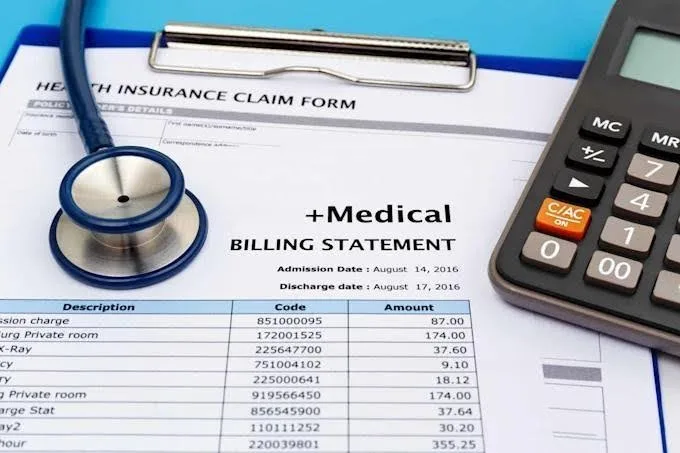
Despite numerous advancements in the industry, medical claim rejections remain one of the most significant issues that plague healthcare providers in California. Regardless of whether they are part of private practices, specialized clinics, hospitals, or even urgent care facilities, rejections and denials can result in delays, financial losses, and overall poor performance. Considering how the healthcare industry changes so often and becomes increasingly regulated, providers should make sure that their billing processes do not have any issues – which is precisely where professional medical billing services come into play.
Medical billers are skilled professionals who specialize in ensuring that claim denials are minimized, and revenue cycle management is optimized. Thanks to their experience and knowledge, they make sure that claims will be processed correctly.
Understanding Medical Claim Rejections
Claim rejection happens when an insurance company does not process the claim due to errors or missing information. It differs from claim denial since claim rejections are not put through in the insurer’s system as there are some problems that require validation before putting a claim through the process. Examples of reasons for claims rejections include errors in patient identification information, invalid codes, duplicated claims, missing modifiers, incorrect insurance information, and incomplete documentation.
Sometimes even small mistakes will affect the reimbursement process and increase administrative work. Employees have to devote their time to solving these issues, sending documents again, and contacting insurance companies to solve their claims. These processes may cause a significant impact on the economic stability of any healthcare facility.
In California, the healthcare regulations are very thorough and the number of insurance networks is large. Therefore, claim rejections become more common for healthcare organizations since providers need to meet federal and state criteria.
The Financial Impact of Claim Rejections
The rejection of claims leads to major financial concerns for health care facilities. Each rejected claim means that there will be no payment made at the required time. In case these claims are not amended and filed again, the provider will miss out on his payment due to not complying with the filing date.
Increased costs occur as a result of higher administrative expenses, meaning the staff have to spend more time on the identification of any errors, amending claims, and filing appeal procedures. Billing errors lead to damaged relations with the insurance company and lower patients’ satisfaction with regard to payments.
This issue has especially high significance for small healthcare providers in California as it puts a strain on their budgets. Health care facilities usually experience tight financial situation and the late reimbursements cause further budgeting challenges.
Why Medical Billing Errors Happen
Billing for hospitals is an intricate process that needs precision and industry updates. Some mistakes are caused by excessive workloads of the billing department or inadequate training about emerging industry codes.
Incorrect medical coding is one of the most common reasons for claim rejections. The right coding based on the ICD-10, CPT, and HCPCS codes must be provided to explain diagnoses, operations, and treatment procedures. Coding policies are constantly being updated, and even skilled professionals can make errors if they lack constant training.
Claims can also be rejected due to eligibility issues. Outdated patient insurance information might prevent claims from being accepted in advance. Moreover, discrepancies between actual services and medical records will make the claims ineligible.
The problem is aggravated by the payer requirements of California providers, which vary depending on each insurance company. Payers have specific billing instructions, authorization regulations, and claim submission deadlines.
How Expert Medical Billing Services Help
Professional medical billing services in California will help avoid most mistakes during billing processes to ensure high rates of claim submission and approvals. Professional billing companies in California use highly qualified billing professionals, who have enough skills to handle various aspects related to proper claim submission and approval processes.
The first advantage of hiring professional billing companies is proper claim processing. Medical billing professionals will analyze all aspects of the patient and insurance coverage before submitting claims to insurance companies. Such an approach minimizes the chances of errors, which result in rejections.
Furthermore, billing experts will always be aware of changes in regulatory practices in California. Proper knowledge of the billing professionals will enable them to create and submit clean claims. Moreover, billing professionals make use of special software tools for checking the eligibility of patients before submitting claims to insurance companies.
Another benefit is the quick submission of claims. The billing process becomes very easy because companies have specialized software tools. They enable billing professionals to submit clean claims without delays.
Improved Coding Accuracy and Compliance
Coding accuracy is critical to minimizing claim denials. In professional billing services, the company hires skilled coders who are capable of coding correctly for medical procedures and diagnoses. Coders possess knowledge of advanced coding systems to code claims for services provided according to provider documentation.
Coding accurately serves the dual purpose of minimizing claim denials and helping healthcare facilities avoid any compliance problems. Inaccurate coding may result in underpayment or overpayment and can even lead to an investigation related to fraud and abuse in the billing system.
Medical Collection Services is a crucial task for billing companies in California due to the presence of stringent regulations regarding the healthcare sector. Skilled billers manage compliance effectively by ensuring that all procedures and processes comply with HIPAA laws, payor guidelines, and industry standards.
Faster Insurance Verification and Eligibility Checks
It is also necessary to consider that insurance verification plays a major role in avoiding claim rejections. Specialists involved in billing usually conduct insurance verification prior to the procedure and check the patient’s eligibility for treatment according to their policy.
Due to verification, the problem of claim rejection may be avoided because of possible insurance plan deactivation or other reasons associated with the patients’ eligibility and financial condition. In addition, patients become aware of the fact whether they will pay any amounts for treatment.
Finally, due to the peculiarities of the healthcare market in California, insurance verification is especially crucial because patients may have many insurance options.
Efficient Denial Management and Appeals
Despite meticulous claim preparation, certain claims might still be subject to denials. Medical billing firms offer professional services geared towards dealing with claim denials efficiently and maximizing any financial loss.
Medical billers investigate claim denials in order to determine their causes and eliminate errors effectively. They deal directly with insurance agencies, collect documentation and make appeals as soon as possible. Knowledge of policies used by payers ensures that the process is more effective.
Denial management will also allow healthcare facilities to recognize common problems associated with billing and take appropriate actions. This, in turn, will ensure a decrease in denial rates for the future.
Conclusion
Rejection of claims can be quite disruptive in the operations of healthcare and may affect the profits of the medical practitioners in California. There have been many challenges in the field of billing, from coding issues and eligibility problems to new insurance requirements. In order to mitigate these risks, it is necessary to have expert medical billing services for minimizing claim rejections and maximizing payment.
By virtue of their professional knowledge, technology, and effective denial management strategies, medical billing firms can ensure that the billing process for the healthcare provider becomes smoother and faster, leading to better cash flow. Additionally, with professional medical billing, the healthcare personnel do not have to be concerned about the billing process and can concentrate on providing better healthcare service.
Therefore, in an increasingly competitive market, medical billing is not just a convenience, but a necessity.