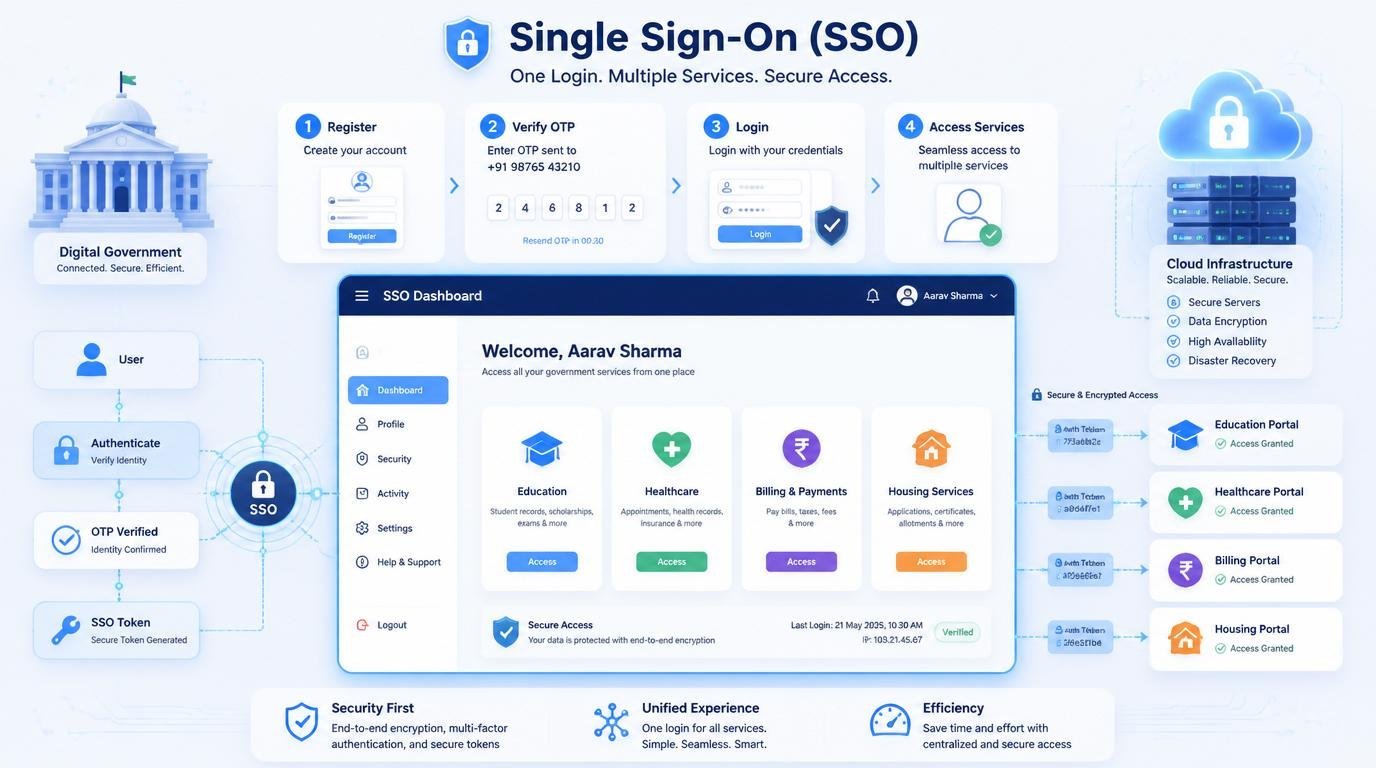
In today’s digital governance systems, one of the biggest challenges users face is managing multiple usernames and passwords for different services. To solve this problem, governments and organizations have introduced centralized login systems that simplify access and improve security. One such system is widely known through platforms like SSO ID, which allows users to access multiple government services using a single digital identity.
Have you ever wondered how a single login can unlock dozens of services without repeatedly signing in? The answer lies in a carefully designed authentication system that connects identity, security, and service access in one place.
Understanding the Concept of Single Sign-On
Before diving into the process, it is important to understand what Single Sign-On actually means. It is a system where a user logs in once and gains access to multiple applications without needing to log in again for each service. Instead of creating separate accounts for every platform, users rely on one verified identity.
This approach reduces password fatigue, improves security, and simplifies digital interaction. In government ecosystems, it is especially useful because citizens interact with multiple departments like taxation, education, health, and utilities. A unified system ensures smoother access and better efficiency.
Step-by-Step Registration Process
The journey begins with user registration, which is the foundation of the entire system. When a new user wants to create an account, they are required to provide basic personal details such as name, mobile number, email address, and sometimes identity verification documents.
After entering the information, the system verifies the user through a one-time password (OTP) sent to their registered mobile number or email. This step ensures that only genuine users are allowed to proceed. Once verified, the user creates a secure password and completes the registration process.
At this stage, a unique digital identity is generated. This identity acts as a master key for accessing all connected services in the ecosystem. Without this step, the entire login framework would not function effectively.
Step-by-Step Login and Authentication Process
Once registered, the login process becomes the gateway to all services. The user enters their username and password on the login page. The system then checks the credentials against the stored database.
If the details match, the system does not immediately grant access to services. Instead, it generates a secure authentication session. This session acts like a temporary digital permission slip that confirms the user’s identity.
During this process, encrypted tokens are created. These tokens are used to maintain session security and prevent unauthorized access. If the token is valid, the user is redirected to the dashboard where multiple services are available.
This is where platforms like SSO ID become extremely useful, because they eliminate the need to log in repeatedly for every service request.
How the System Works Behind the Scenes
The real strength of the system lies in its backend architecture. When a user logs in, several processes occur simultaneously. First, the authentication server validates the credentials. Then, a secure token is generated and linked to the user’s session.
This token is stored temporarily and shared across multiple connected services. Whenever the user tries to access a new service, the system checks the validity of the token instead of asking for login details again.
This reduces processing time and improves efficiency. It also ensures that user data remains centralized, making it easier for systems to track activity and maintain records.
The entire structure is designed to balance convenience and security. Without such a system, users would constantly need to manage multiple passwords, increasing the risk of weak or reused credentials.
Services and Benefits for Users
A centralized identity system provides access to a wide range of services from a single platform. Users can apply for certificates, pay bills, check application status, and access government portals without logging in separately for each task.
One of the major advantages is time efficiency. Instead of remembering multiple passwords and usernames, users only need one set of credentials. This significantly reduces confusion and improves user experience.
Another benefit is transparency. Since all activities are linked to a single identity, tracking and verification become easier for both users and administrators.
Security and Privacy Features
Security is a core element of the system. Multiple layers of protection are implemented to ensure data safety. These include encryption, session validation, OTP verification, and automatic logout features.
Even if someone tries to access an account without permission, they cannot proceed without passing multiple verification stages. Additionally, session tokens expire after a certain period of inactivity, reducing the risk of misuse.
User data is stored in encrypted form, making it difficult for unauthorized access. Regular system updates also help in fixing vulnerabilities and improving protection.
Common Issues and System Handling
Like any digital platform, users may sometimes face issues such as forgotten passwords, OTP delays, or login errors. However, the system is designed with recovery options.
Users can reset their passwords using registered mobile numbers or emails. OTP-based verification ensures that only the rightful user regains access. In case of technical issues, support systems guide users through troubleshooting steps.
These built-in recovery mechanisms ensure that access is not permanently lost and that users can continue using services smoothly.
Conclusion
Understanding how digital identity systems function helps users appreciate the technology behind everyday services. From registration to authentication, every step is designed to ensure security, convenience, and efficiency.
The concept of a unified login system has transformed how people interact with digital platforms, especially in governance. By reducing complexity and improving access, it has made online services more user-friendly and reliable.
In this entire ecosystem, the role of SSO ID becomes central, as it connects identity with multiple services in a secure and seamless way.