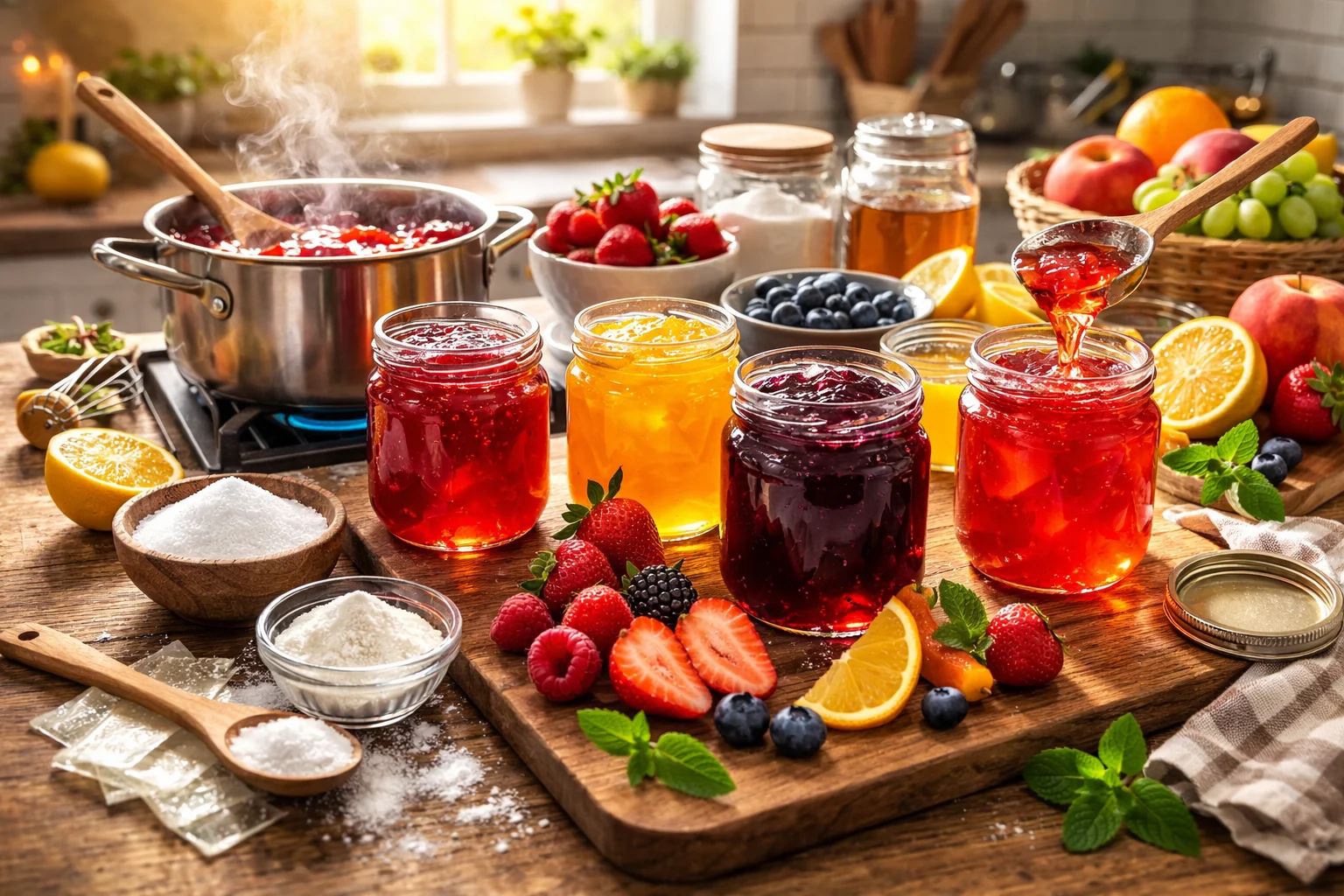
Jelly-making is both an art and a science, a delightful kitchen endeavor that transforms fresh fruits into luscious, shimmering preserves. For those eager to explore the world of jelly, RecipesJelly.com serves as a treasure trove of recipes and insights. Whether you’re a beginner eager to learn how to make jelly or a seasoned pro looking for creative variations, this guide will provide you with everything you need. From traditional fruit jellies to innovative vegan options, the world of jelly-making is ripe for exploration.
Introduction to Jelly Making
Jelly has been a beloved household staple for centuries, providing a sweet and tangy complement to both sweet and savory dishes. At its core, jelly is a clear, firm spread made from fruit juice, sugar, and a gelling agent like pectin or gelatin. The process of jelly making involves extracting juice from fruits, combining it with sugar and pectin, and cooking the mixture to achieve the desired gel-like consistency.
RecipesJelly.com offers an extensive collection of recipes that cater to a variety of tastes and dietary needs, from low-sugar options to vegan-friendly jellies. This comprehensive guide will delve into the basics of jelly making, explore advanced techniques, and introduce creative variations that will inspire you to create your own culinary masterpieces.
Basic Jelly Recipe
Ingredients Needed
To get started with a basic jelly recipe, you will need the following ingredients:
- 4 cups of fruit juice (e.g., grape, apple, or berry)
- 1/2 cup of water
- 1 package (1.75 ounces) of fruit pectin
- 5 cups of granulated sugar
- 1 tablespoon of lemon juice (for added acidity and flavor balance)
Step-by-Step Instructions
- Prepare the Fruit Juice: Begin by selecting ripe, fresh fruits. Wash and crush the fruits to extract the juice. Strain the juice through a fine sieve or cheesecloth to remove any pulp or seeds.
- Combine Ingredients: In a large saucepan, mix the fruit juice, water, and lemon juice. Gradually add the fruit pectin while stirring to prevent lumps.
- Heat the Mixture: Bring the mixture to a rolling boil over medium-high heat, stirring constantly.
- Add Sugar: Quickly add the sugar all at once. Stir continuously and bring the mixture back to a boil. Boil for exactly one minute.
- Test Consistency: Remove from heat and test the jelly’s consistency by placing a small amount on a chilled plate. If it wrinkles when pushed with a finger, it’s ready.
- Jar the Jelly: Pour the hot jelly into sterilized jars, leaving a 1/4-inch headspace. Wipe the rims clean and seal with lids.
- Process for Preservation: Process the jars in a boiling water bath for 5 minutes to ensure a proper seal.
Advanced Techniques for Jelly Making
Tips for Perfect Gel
Achieving the perfect gel in jelly can be challenging. Here are some expert tips to ensure success:
- Use the Right Pectin: Different fruits have varying levels of natural pectin. Use commercial pectin for fruits low in pectin like strawberries or peaches.
- Monitor Cooking Time: Overcooking can break down pectin and prevent gelling. Stick to the recommended boiling times.
- Adjust Acidity: Acid is crucial for gelling. If your fruit is low in acid, add lemon juice to adjust the pH.
- Test for Gel Stage: Use the spoon test or a candy thermometer to ensure the mixture reaches the gel stage (220°F or 104°C).
Creative Variations
Fruit-Based Jellies
Explore the abundance of flavors with these fruit-based jelly variations:
- Mixed Berry Jelly: Combine strawberries, raspberries, and blueberries for a vibrant, tangy spread.
- Spiced Apple Jelly: Add cinnamon and cloves to apple juice for a warm, aromatic jelly.
- Citrus Jelly: Use a blend of orange, lemon, and lime juices for a zesty treat.
Unique Flavor Combinations
For those looking to experiment, try these unique jelly concoctions:
- Lavender Blueberry Jelly: Infuse blueberry juice with dried lavender for a floral note.
- Chili Strawberry Jelly: Add a hint of chili pepper for a sweet and spicy twist.
- Rosemary Pear Jelly: Combine pear juice with fresh rosemary for a savory edge.
Jelly Storage and Preservation
Best Practices
Proper storage and preservation ensure that your homemade jelly remains fresh and safe to eat:
- Store in a Cool, Dark Place: Keep sealed jars in a pantry or cupboard away from direct sunlight.
- Refrigerate After Opening: Once opened, store jelly in the refrigerator and consume within a few weeks.
- Check Seals: Before using, ensure the jar lid is concave, indicating a proper seal.
Canning Instructions
Canning is an essential part of preserving homemade jelly. Follow these steps for safe canning:
- Sterilize Jars: Boil jars and lids for 10 minutes to sterilize them.
- Fill Jars: Pour hot jelly into jars, leaving 1/4-inch headspace.
- Seal and Process: Apply lids and process in a boiling water bath for 5 minutes.
- Cool and Store: Allow jars to cool on a towel. Check seals before storing.
Health Benefits of Homemade Jelly
Making jelly at home has several health advantages:
- Control Over Ingredients: You can manage sugar levels and avoid preservatives.
- Nutrient Retention: Homemade jellies retain more vitamins and antioxidants from fresh fruits.
- Customizable for Diets: Easily adapt recipes for vegan or low-sugar diets.
Frequently Asked Questions
Q1: Can you make jelly without pectin? Yes, some fruits are naturally high in pectin, such as apples and citrus fruits. You can also use alternatives like gelatin or chia seeds.
Q2: What fruits are best for jelly making? Fruits like apples, grapes, and berries are ideal due to their high pectin content.
Q3: How do I fix jelly that didn’t set? Reboil the jelly with additional pectin or lemon juice to help it set.
Q4: What is the difference between jelly and jam? Jelly is made from fruit juice, while jam is made from crushed fruit, resulting in a thicker texture.
Q5: How long does homemade jelly last? Sealed, it can last up to a year. Once opened, consume within a few weeks.
Q6: Can you make jelly with less sugar? Yes, use low-sugar pectin and adjust the sugar content to your preference.
Q7: What are some popular jelly flavor combinations? Strawberry-rhubarb, blackberry-lime, and peach-ginger are popular combinations.
Conclusion
Jelly-making is a rewarding culinary pursuit that allows you to explore flavors and create delightful treats. Whether you’re crafting traditional fruit jellies or experimenting with unique flavor combinations, RecipesJelly.com is your go-to resource for inspiration and guidance. Embrace the art of jelly-making, and enjoy the fruits of your labor in every delicious spoonful. Start your jelly-making journey today and share the joy of homemade jelly with friends and family.